







What's Happening?
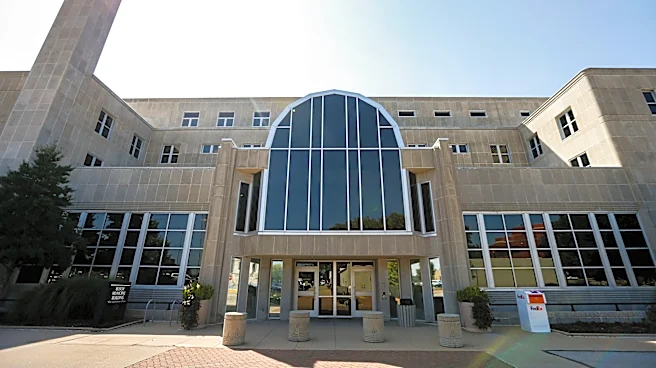
The History Museum on the Square in Springfield, Missouri, has transferred its archival collection to Missouri State University’s Duane G. Meyer Library Special Collections and Archives. This partnership aims to provide a new permanent home for Springfield’s
historical records and expand public access to these materials. The collection includes historical photographs, manuscripts, documents, correspondence, and other media-based materials pertinent to the history of Springfield and Greene County. The university will be responsible for the preservation, housing, and accessibility of these archives for researchers. This move builds upon a long-standing relationship between the museum and the university, with some library team members having previously volunteered at the museum.
Why It's Important?
This transfer is significant for the preservation and accessibility of local history in the U.S. By moving the archives to a university setting, the collection benefits from professional preservation standards and increased visibility to students, researchers, educators, and the general public. This collaboration ensures that valuable historical records are not only protected but also actively utilized for academic study and community engagement. For the History Museum on the Square, this allows them to reallocate resources towards developing new exhibits and educational programs, focusing on three-dimensional artifacts. For Missouri State University, it reinforces its public affairs mission by providing a richer resource for understanding regional history, potentially fostering new research and educational opportunities.
What's Next?
The Duane G. Meyer Library Special Collections and Archives will now integrate the newly acquired historical records into its existing collections, making them available for public and academic research. This process will involve cataloging and organizing the materials to ensure easy access. The History Museum on the Square will continue its mission by focusing on collecting and displaying three-dimensional artifacts, as well as developing new exhibits and educational programs. This strategic shift will allow both institutions to leverage their respective strengths, with the university becoming the primary custodian of paper-based archives and the museum concentrating on interactive and physical displays of history. Future collaborations on research projects or public events related to Springfield's history are also possible.
Beyond the Headlines
This initiative represents a growing trend in the U.S. where smaller historical societies and museums partner with larger academic institutions to ensure the long-term preservation and accessibility of their collections. Such collaborations address challenges faced by many local museums, including limited resources for conservation, storage, and digital archiving. By centralizing historical records within a university library, it creates a more comprehensive and interconnected resource for regional studies, potentially attracting scholars from beyond the immediate community. This model also highlights the evolving role of libraries and archives as dynamic centers for community knowledge and historical inquiry, moving beyond mere storage to active engagement and dissemination of information.