




What's Happening?
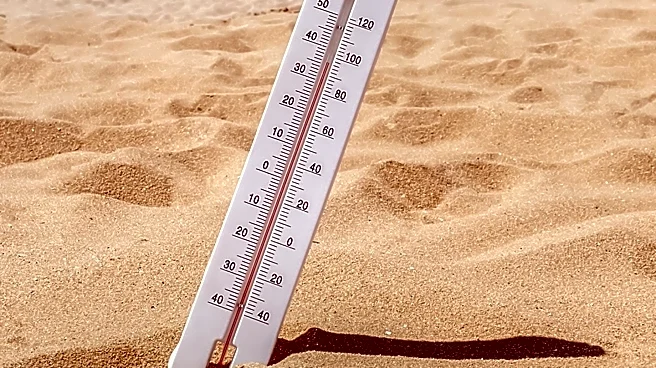
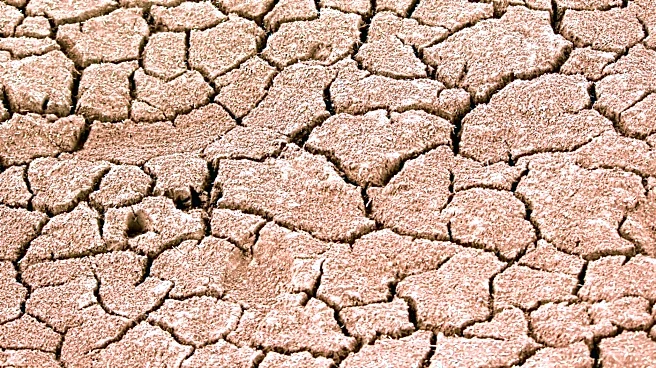
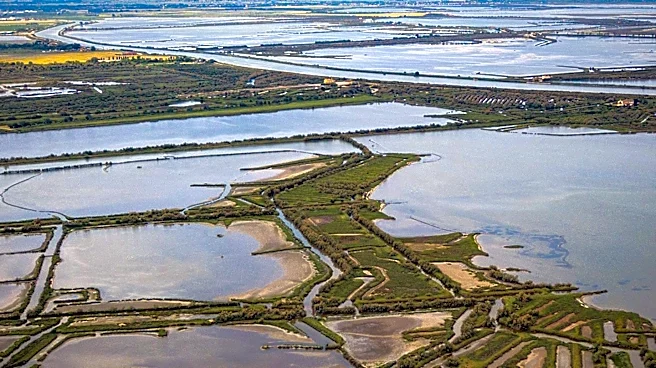
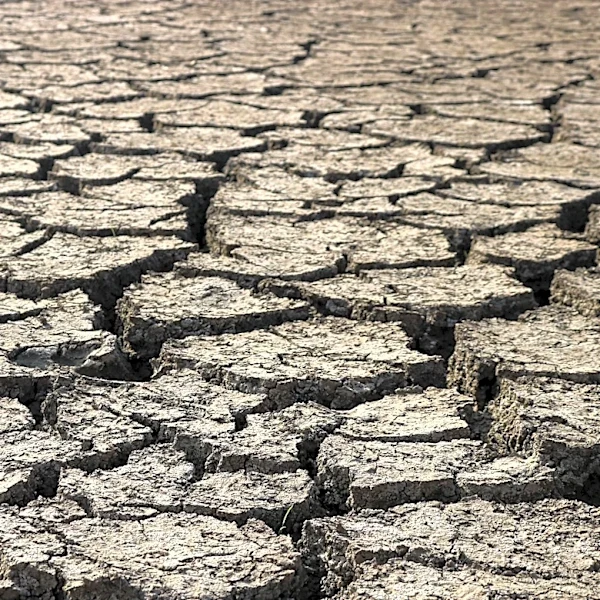
A severe heatwave in Europe has drastically reduced the flow of Italy's Po River, leading to significant threats to agriculture and wetlands in the Po Delta. Salty seawater has intruded up to 18 kilometers inland, affecting the delicate ecosystem. Efforts
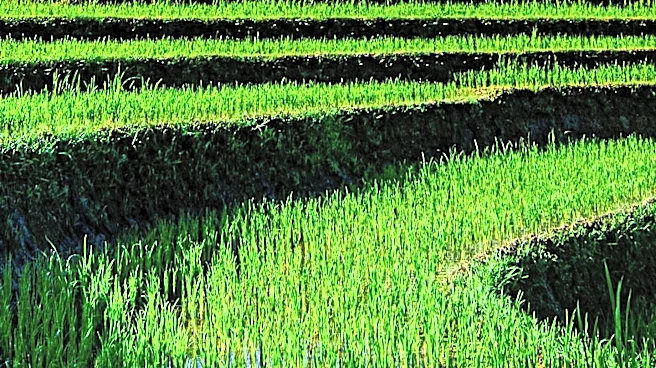
to combat the saltwater intrusion, including barriers constructed in the 1980s, have proven inadequate. The situation poses a risk to crops such as soybeans, alfalfa, and sunflowers, which are heavily dependent on water. Farmers are concerned about the potential impact on crop cycles and harvests, with measures like shutting down irrigation canals being implemented to protect crops.
Why It's Important?
The intrusion of salty seawater into the Po Delta highlights the vulnerability of agricultural regions to climate change and extreme weather events. This situation threatens the livelihoods of farmers and the regional economy, which relies heavily on agriculture. The failure of existing infrastructure to prevent saltwater intrusion underscores the need for updated and more effective solutions to protect vital agricultural areas. The broader implications include potential food supply disruptions and increased pressure on water resources, which could have cascading effects on food prices and availability.