


What's Happening?
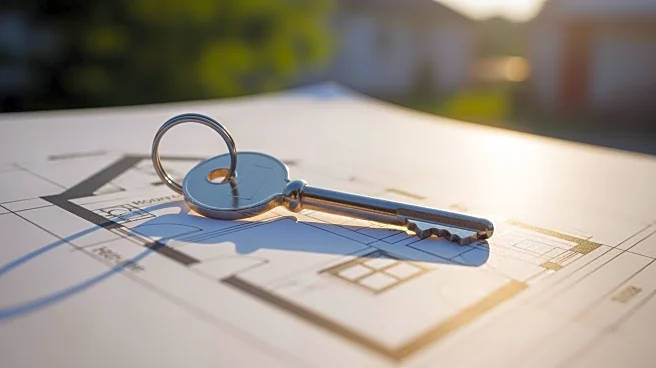
Baltimore Mayor Brandon Scott has announced a new initiative aimed at reducing property taxes for homeowners in the city. This effort is part of a broader strategy to make Baltimore more affordable and attractive for residents. The announcement comes
as part of Mayor Scott's ongoing commitment to address economic challenges faced by the city's residents. The initiative is expected to provide financial relief to homeowners, potentially increasing homeownership rates and stabilizing neighborhoods. The specifics of the tax reduction plan, including the percentage decrease and the timeline for implementation, have not been detailed yet. However, the move is seen as a significant step towards economic reform in Baltimore, aligning with Mayor Scott's broader agenda to improve the city's fiscal health and quality of life for its residents.
Why It's Important?
The initiative to lower property taxes in Baltimore is significant as it addresses one of the key financial burdens faced by homeowners. High property taxes can deter potential buyers and strain existing homeowners, leading to decreased homeownership rates and neighborhood instability. By reducing these taxes, the city aims to make homeownership more accessible, which could lead to increased investment in local communities and economic growth. This move could also enhance Baltimore's competitiveness in attracting new residents and businesses, contributing to a more vibrant and sustainable urban environment. Additionally, the initiative reflects a broader trend of urban centers seeking innovative solutions to economic challenges, potentially serving as a model for other cities facing similar issues.
What's Next?
As the initiative progresses, further details regarding the implementation of the property tax reduction are anticipated. Key stakeholders, including city council members, local businesses, and community organizations, are likely to engage in discussions to shape the final plan. The success of this initiative will depend on effective collaboration between the city government and these stakeholders. Monitoring the impact of the tax reduction on homeownership rates and neighborhood development will be crucial in assessing the initiative's effectiveness. Additionally, the city may explore complementary measures to support economic growth and community development, ensuring that the benefits of the tax reduction are maximized.