



What's Happening?
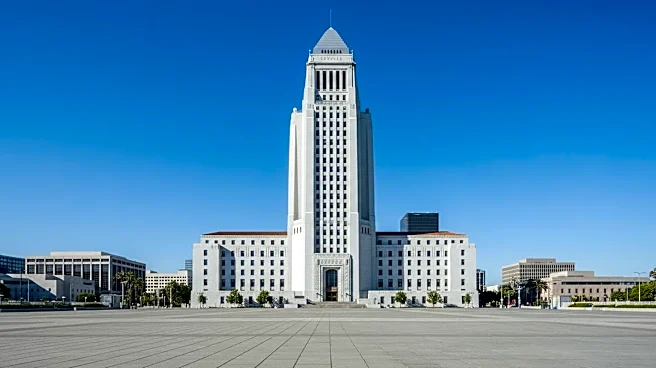
Median Strategies, a polling company, has ceased operations after admitting to publishing fabricated poll data, including a 'bogus' poll showing Los Angeles Mayor Karen Bass with a nearly 12-point lead over Nithya Raman in the city's mayoral race. Mayor Bass had
initially celebrated this poll on social media, a post which has since been deleted. The company also released an inaccurate poll for the Wisconsin Democratic gubernatorial primary, which indicated Francesca Hong had a 23-point lead in a race she ultimately lost. Median Strategies claimed its actions were a 'social experiment' designed to expose flaws within the polling industry. The company's website is no longer functional, and details regarding its operations, such as its base of operations or number of employees, remain scarce. This incident highlights significant issues concerning the reliability and verification of political polling data.
Why It's Important?
This incident underscores critical vulnerabilities in the U.S. political information ecosystem, particularly concerning the integrity of polling data. Fabricated polls can significantly influence public perception, voter behavior, and campaign strategies, potentially undermining democratic processes. For candidates like Mayor Karen Bass, celebrating and promoting such data, even unknowingly, can lead to a loss of credibility when the information is exposed as false. The claim by Median Strategies that this was a 'social experiment' raises ethical questions about the responsibilities of data providers and the potential for malicious actors to manipulate public discourse under the guise of research. This event could prompt increased scrutiny of polling methodologies and a demand for greater transparency from polling firms, impacting how political campaigns and media outlets vet and report on survey results. It also highlights the broader challenge of misinformation in an era where information can spread rapidly without independent verification.
What's Next?
The collapse of Median Strategies and the exposure of its fabricated polls will likely lead to increased calls for stricter oversight and verification processes within the polling industry. Political campaigns and media organizations may implement more rigorous vetting procedures for polling data, especially from lesser-known firms. There could be a push for industry-wide standards to prevent similar incidents of deliberate misinformation. The incident might also spark a broader discussion about media literacy and the public's ability to critically evaluate information, particularly in the context of political campaigns. While Median Strategies has shut down, the implications of its 'social experiment' could resonate, potentially leading to a more cautious approach to poll reporting and a greater emphasis on transparency from all entities involved in political data analysis.
Beyond the Headlines
The 'social experiment' conducted by Median Strategies reveals a deeper, more troubling aspect of the current information landscape: the ease with which unverified data can infiltrate and influence public discourse. This incident goes beyond mere inaccuracy; it represents a deliberate act of deception, raising profound ethical questions about the responsibilities of those who generate and disseminate information, particularly in sensitive areas like political elections. The company's justification, while framed as an attempt to expose flaws, inadvertently demonstrated the significant harm such 'experiments' can inflict on public trust and the democratic process. This event could contribute to a growing cynicism towards polling data and expert analysis, making it harder for legitimate, well-researched information to gain traction. It also highlights the need for robust digital literacy initiatives to equip the public with the tools to discern credible sources from fabricated ones, fostering a more resilient and informed electorate.