





What's Happening?
The Texas Animal Health Commission (TAHC) has issued an executive order establishing new entry requirements for livestock and fowl entering Texas from states affected by New World screwworm. This order, effective immediately as of October 1, aims to prevent
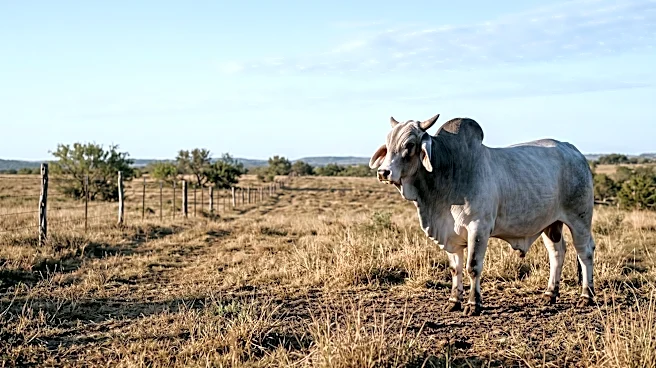
the introduction or spread of the pest within Texas. The requirements apply to all livestock, exotic livestock, fowl, and exotic fowl originating from states where screwworm has been detected and where an infested zone, quarantine area, or control area is active. The TAHC's decision is a proactive measure to safeguard Texas animal agriculture, complementing existing protective measures. Specific protocols are now mandated for various scenarios, including animals originating within or outside an infested zone, animals moving to a Texas slaughter establishment from an infested zone, and Texas-origin animals returning from an out-of-state infested zone. These detailed requirements are available on the TAHC's website.
Why It's Important?
The implementation of these new entry requirements by the TAHC is crucial for protecting Texas's significant agricultural sector. New World screwworm infestations can have devastating economic consequences for livestock producers, leading to animal suffering, reduced productivity, and potential trade restrictions. By establishing stringent entry protocols, Texas aims to mitigate the risk of an outbreak, which could otherwise necessitate costly eradication efforts and impact the livelihoods of farmers and ranchers. The order underscores the state's commitment to animal health and biosecurity, recognizing the potential for rapid spread of such pests. This measure also highlights the interconnectedness of agricultural health across state lines, as the movement of animals can quickly introduce diseases or pests to new regions, affecting broader U.S. agricultural stability.
What's Next?
The new entry requirements are effective immediately and will remain in force until modified by the Texas Animal Health Commission. Producers and individuals involved in moving animals into Texas from affected states are advised to review the detailed, scenario-specific requirements on the TAHC's website to ensure compliance. The TAHC will likely continue to monitor the screwworm situation in other states and within Texas, adjusting its regulations as necessary. The success of these measures will depend on strict adherence by all stakeholders and ongoing vigilance from animal health authorities. Future modifications could include the removal of restrictions if the threat diminishes or the imposition of stricter controls if the situation escalates in affected states.
Beyond the Headlines
The TAHC's swift action reflects a broader concern within the U.S. agricultural community regarding invasive pests and diseases. The New World screwworm, once eradicated from the U.S., represents a persistent threat that requires continuous biosecurity efforts. This situation underscores the importance of robust state and federal animal health agencies in protecting national food security and economic stability. The legal framework cited, Chapters 161 through 168 of the Texas Agriculture Code and applicable regulations in Chapters 31 through 60 of Title 4, Part 2, of the Texas Administrative Code, demonstrates the comprehensive regulatory powers available to states in managing such threats. This event also serves as a reminder of the delicate balance between facilitating interstate commerce and implementing necessary health safeguards to prevent ecological and economic damage.