









What's Happening?
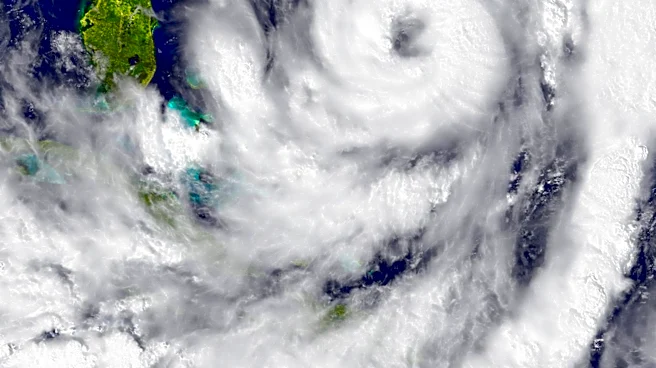
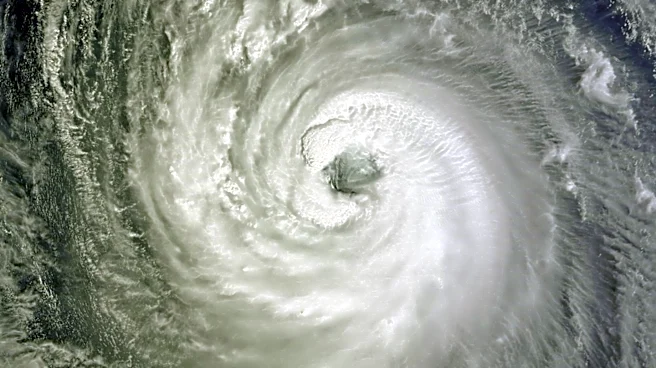
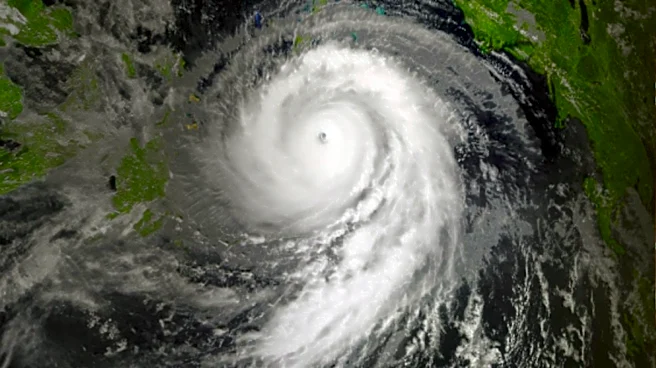
Typhoon Bavi, the most powerful storm to hit mainland China this year, has caused significant disruption in eastern China. The storm brought heavy rain and strong winds, affecting densely populated areas and leading to the evacuation of over 2.8 million
people. Zhejiang province, a major economic hub, was particularly impacted. Despite weakening to a tropical storm, Bavi continues to pose a threat of prolonged rainfall and potential flooding. Emergency services are actively responding to the situation, clearing debris and managing floodwaters.
Why It's Important?
The typhoon's impact on Zhejiang, a key economic region, could have significant implications for China's economy, particularly in terms of infrastructure damage and disruption to business operations. The large-scale evacuations highlight the challenges of managing natural disasters in densely populated areas. The event underscores the importance of disaster preparedness and the need for resilient infrastructure to withstand extreme weather conditions, which are becoming more frequent due to climate change.
What's Next?
Authorities will continue to monitor the storm's progression and manage the aftermath, focusing on restoring normalcy and assessing the damage. The event may prompt a review of disaster response strategies and infrastructure resilience in China. Internationally, it could lead to discussions on climate change adaptation and the need for global cooperation in addressing the increasing frequency of severe weather events.