



What's Happening?
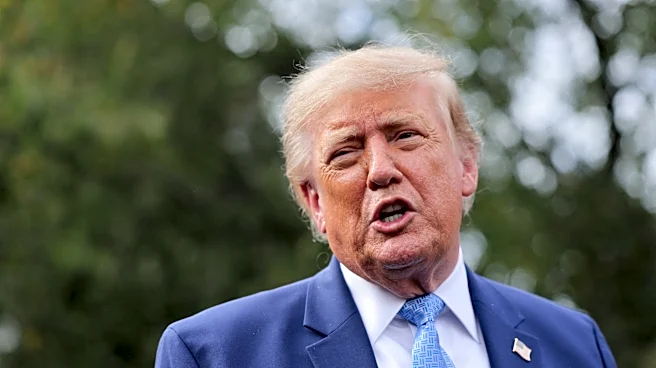
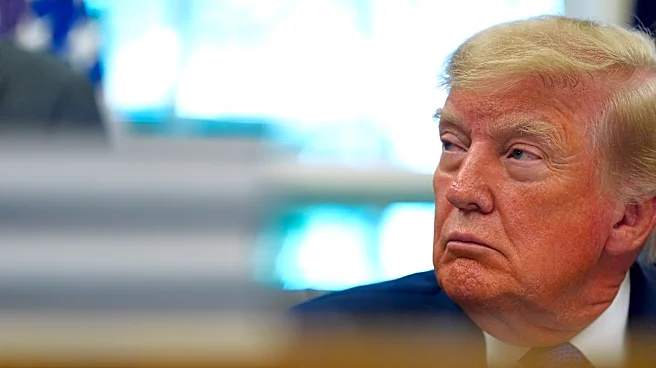
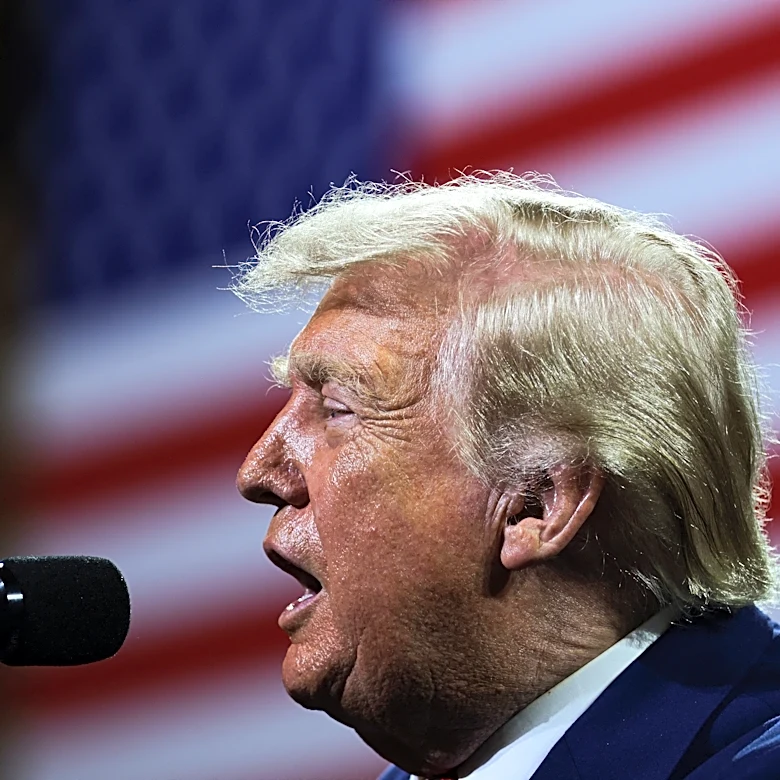
President Trump is facing criticism for appearing in television advertisements that are funded by the U.S. government. These ads have drawn attention due to existing laws that prohibit the use of federal funds for political advertising. The White House
has defended these advertisements, characterizing them as public service announcements rather than publicity or propaganda. BBC Verify's Jake Horton has examined the content of these ads and consulted with legal experts to assess their legality. The core of the controversy lies in whether the ads, despite being funded by taxpayers, serve a legitimate public information purpose or if they are being used to promote President Trump's political agenda, thereby violating federal regulations designed to prevent the misuse of government resources for partisan purposes.
Why It's Important?
This issue is significant because it touches upon the ethical use of taxpayer money and the integrity of government communications. Laws against using federal funds for political advertising are in place to ensure that government resources are not exploited for partisan gain, maintaining a clear distinction between public service and political campaigning. If these ads are found to be political in nature, it could set a precedent for future administrations to use government funds for self-promotion, blurring the lines between official duties and political campaigns. This could lead to a misuse of public funds and undermine public trust in government institutions. The debate also highlights the challenge of defining what constitutes a 'public service announcement' versus 'political advertising,' especially when a sitting president is featured, and the potential for such communications to influence public opinion and elections.
What's Next?
The ongoing scrutiny by media outlets like BBC Verify and legal experts suggests that the debate over the legality of these government-funded ads will continue. Depending on the findings and public reaction, there could be calls for investigations by congressional oversight committees or other regulatory bodies. Legal challenges might also arise if it is determined that federal laws have been violated. The White House will likely continue to defend the ads as legitimate public service announcements. This situation could also lead to a broader discussion about the regulations governing government communications and the need for clearer guidelines to prevent potential abuses. The outcome could influence how future administrations conduct public information campaigns and the level of transparency and accountability expected from government officials.
Beyond the Headlines
This controversy delves into the deeper implications of executive power and the potential for its abuse in a democratic system. The use of government-funded media for what critics perceive as political messaging can erode the public's ability to distinguish between objective information and partisan propaganda. This blurring of lines can have long-term effects on civic discourse and the health of democratic institutions. It also raises questions about media literacy and the public's capacity to critically evaluate information presented by government sources. Furthermore, the incident highlights the ongoing tension between a president's right to communicate with the public and the imperative to prevent the use of public office for personal or political gain. The resolution of this issue could influence the standards of ethical conduct for future administrations and the mechanisms in place to ensure accountability in government communications.