




What's Happening?
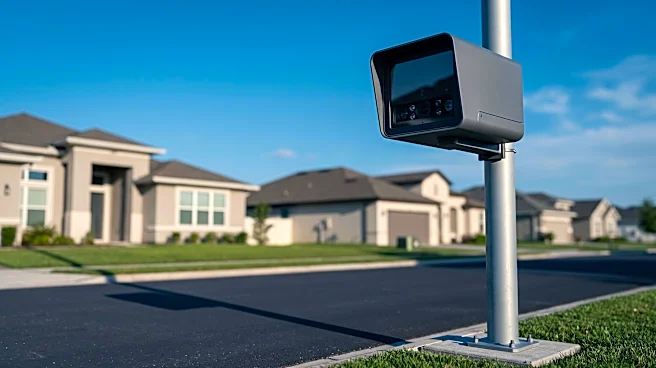
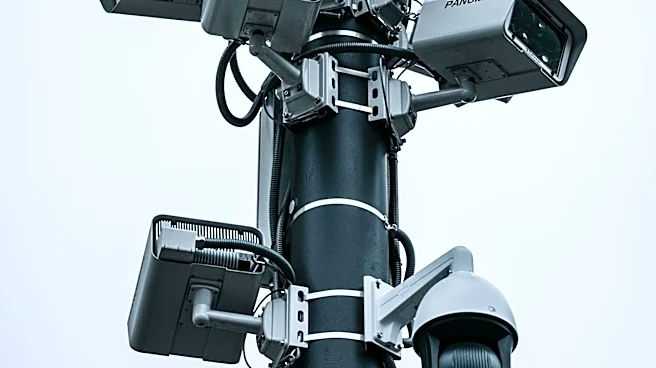
The city of Grand Rapids is establishing new oversight rules for its police department's license plate reader system. This decision comes in response to privacy concerns raised by area residents regarding the use of these cameras. The new regulations
aim to provide greater transparency and accountability in how the technology is utilized by law enforcement. While the specific details of the new oversight rules are not fully outlined, the initiative indicates a commitment from the city to address public apprehension about surveillance technologies. This move reflects a growing trend in municipalities across the U.S. to balance public safety needs with individual privacy rights in the digital age.
Why It's Important?
This development is important because it addresses the critical balance between public safety and individual privacy rights, a growing concern in the U.S. The implementation of new oversight rules for license plate readers in Grand Rapids signifies a proactive approach by local government to respond to community feedback and establish clear guidelines for technology use. This could set a precedent for other cities grappling with similar issues, influencing how surveillance technologies are governed nationwide. For residents, it means potentially enhanced protections against unwarranted data collection and misuse, fostering greater trust between the community and law enforcement. For law enforcement, it provides a framework for responsible technology deployment, ensuring that tools designed for public safety are used ethically and within legal boundaries.
What's Next?
The next steps will involve the formalization and implementation of these new oversight rules for the license plate reader system in Grand Rapids. This may include public hearings or community forums to gather further input, the drafting of specific policies and procedures, and training for police personnel on the updated guidelines. It is also likely that the city will establish a mechanism for ongoing review and evaluation of the system's use to ensure compliance and address any future concerns. Other municipalities facing similar privacy debates may observe Grand Rapids' approach as a model for their own policies, potentially leading to broader discussions and policy changes regarding surveillance technology across the country.
Beyond the Headlines
Beyond the immediate policy changes, this initiative in Grand Rapids highlights a broader societal debate about the role of technology in policing and the evolving definition of privacy in an increasingly surveilled world. It touches upon ethical considerations regarding data retention, access, and potential biases in how such technologies are deployed. The decision to implement oversight rules could foster a more collaborative relationship between the community and law enforcement, emphasizing transparency and accountability. It also underscores the power of citizen advocacy in shaping local governance and influencing the adoption of responsible technology policies. This move could contribute to a national dialogue on developing comprehensive legal and ethical frameworks for the use of advanced surveillance tools.