



What's Happening?
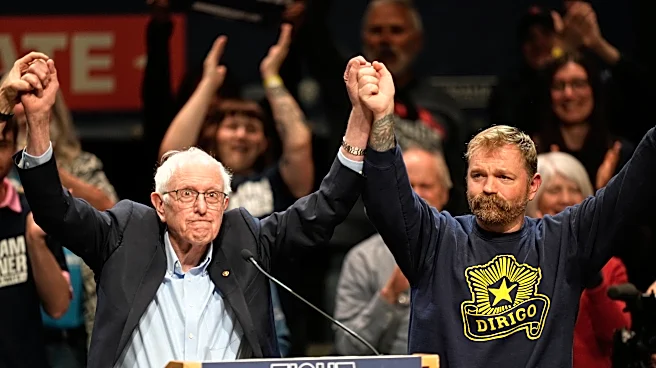
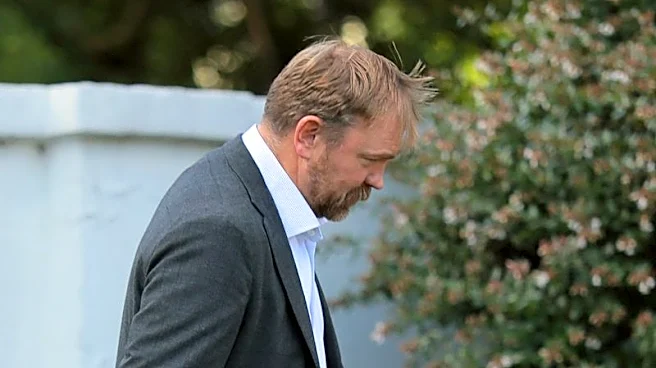
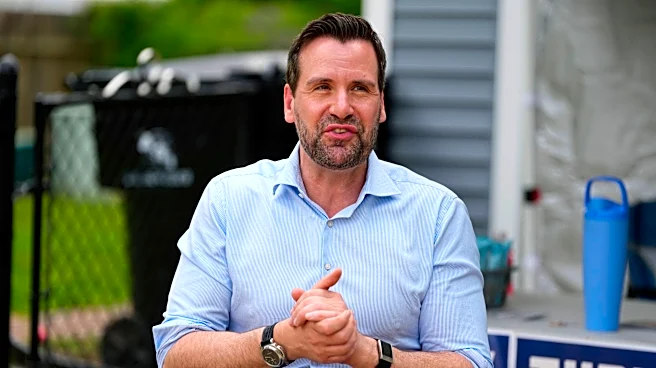
Ken Paxton, a Republican Senate candidate from Texas, and Graham Platner, a Democratic candidate from Maine, are in Washington, D.C., to garner support from their respective parties. Paxton, who has faced legal and personal controversies, including an indictment
and impeachment, is meeting with President Trump and Senate Majority Leader John Thune. Despite his challenges, Paxton secured Trump's endorsement and defeated Sen. John Cornyn in the Texas runoff. Meanwhile, Platner, who has also faced scrutiny over personal issues and controversial past actions, is meeting with Democratic senators. His candidacy became more prominent after Maine Gov. Janet Mills suspended her campaign. Both candidates are seen as potentially risky choices for their parties in the upcoming midterm elections, which could determine control of the Senate.
Why It's Important?
The candidacies of Paxton and Platner are significant as they could impact the balance of power in the U.S. Senate. With Republicans holding a slim majority, the outcome of these races could influence legislative priorities and the ability to advance party agendas. Paxton's legal troubles and Platner's personal controversies pose risks to their parties' chances of winning these seats. The support they receive in Washington could be crucial in overcoming these challenges. Additionally, the races in Texas and Maine are seen as competitive, with both parties needing to allocate resources strategically to secure victories. The broader implications include potential shifts in policy direction depending on which party gains control of the Senate.
What's Next?
As the midterm elections approach, both candidates will continue to seek endorsements and financial support to strengthen their campaigns. Paxton will likely focus on consolidating support within the Republican Party, while Platner will aim to reassure Democratic leaders and voters of his viability as a candidate. The outcomes of these races will be closely watched, as they could influence the national political landscape. Both parties may need to address the controversies surrounding their candidates to maintain voter confidence and ensure a strong turnout in November.