








What's Happening?
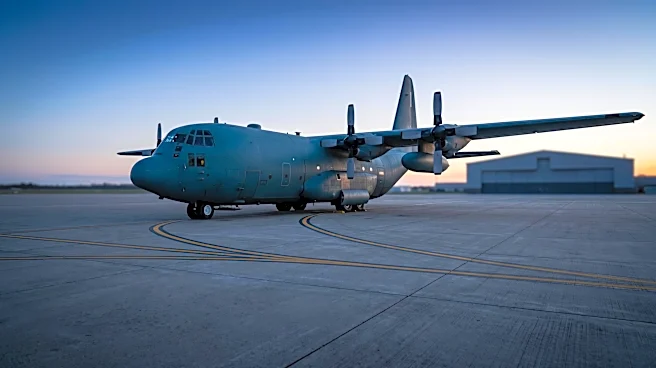
An Algerian military transport aircraft, a Lockheed C-130H-30 Hercules, recently flew unimpeded through the airspace of five NATO member countries—Italy, Croatia, Hungary, Slovakia, and Poland—on its way to Moscow. This flight, recorded on October 6,
is not an isolated incident; journalists have identified a pattern of regular military transport flights between Algeria and Russia using similar routes. These flights are believed to facilitate military-technical cooperation between the two nations, potentially involving the transport of weapons, military equipment, and personnel for maintaining Russian systems used by the Algerian army. The aircraft's movements were confirmed by Polish Military Radar service data, showing its route from Boufarik Air Base in Algeria, through central Europe, and into Belarus and Russia, landing at Moscow’s Vnukovo Airport. The situation is of particular concern for Poland, as its airspace is consistently used for these logistical operations.
Why It's Important?
The regular transit of Algerian military aircraft through NATO airspace to Russia highlights potential gaps in NATO's collective air defense and monitoring capabilities, or at least a policy decision to allow such transits. While these flights may be considered routine for sovereign nations, their frequency and purpose—facilitating military cooperation with Russia—raise questions about the implications for regional security, especially given ongoing tensions with Russia. For the U.S. and its NATO allies, this situation underscores the need for enhanced vigilance and potentially a re-evaluation of airspace permissions for non-allied military aircraft, particularly those engaged in activities that could bolster Russia's military capabilities. The continuous flow of military-technical support to Russia, even indirectly through third countries, could impact the balance of power and the effectiveness of sanctions regimes. It also prompts scrutiny of how NATO members manage their airspace and intelligence sharing regarding such transits.
What's Next?
NATO and individual member states, particularly those whose airspace is being used, may increase their monitoring and intelligence gathering on these flights. There could be internal discussions within NATO regarding the appropriate response or diplomatic actions to address these regular transits, especially if they are perceived to undermine alliance security interests. While direct interception of such flights might be seen as escalatory, diplomatic démarches or requests for greater transparency from Algeria could be considered. The U.S. may engage with its European allies to coordinate a unified approach to this issue, potentially exploring ways to influence Algeria's military cooperation with Russia. Furthermore, this situation could prompt a broader review of NATO's policies on allowing non-allied military overflights, particularly for nations with significant military ties to adversaries.
Beyond the Headlines
This pattern of flights reveals a complex geopolitical dynamic where non-aligned nations like Algeria maintain strategic relationships that can indirectly benefit powers like Russia, even as Russia faces international isolation. It highlights the limitations of geopolitical pressure and sanctions when third-party states continue to engage in military-technical cooperation. The unimpeded passage through NATO airspace also raises questions about the practical application of sovereignty versus collective security interests within the alliance. It could signal a need for NATO to develop more robust mechanisms for addressing indirect support to adversaries, which falls outside traditional military threats. Long-term, this could lead to a re-evaluation of diplomatic engagement strategies with countries that maintain significant military ties with both NATO members and their adversaries, seeking to balance national sovereignty with broader security concerns.