



What's Happening?
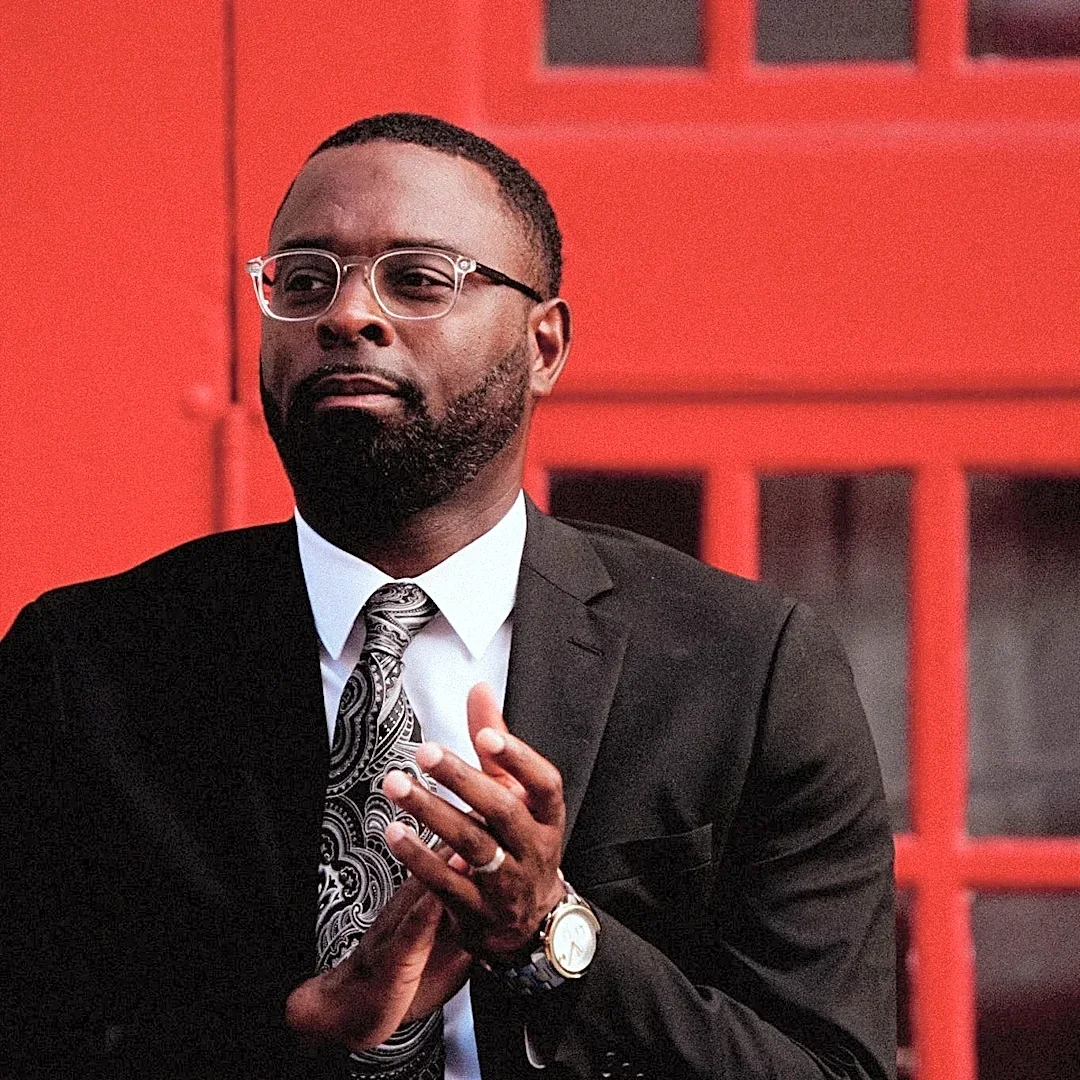
US Representative Ed Case of Hawai'i has been appointed to the Board of Trustees for the Congressional Office for International Leadership (COIL). This appointment was made by the Speaker and Minority Leader of the House. COIL, established in 1999, is a legislative
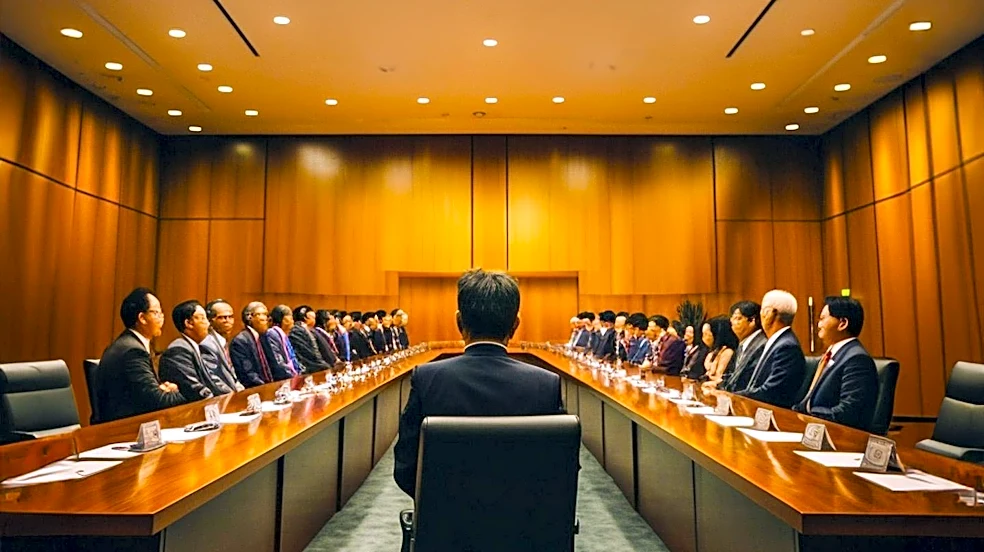
branch office focused on fostering Congressional and citizen diplomacy with global civic and political leaders. Its primary initiative is the Open World program, which facilitates 10-day professional exchanges for international counterparts and leaders in the United States. These delegations begin in Washington, D.C., with meetings with Members of Congress, followed by travel to various U.S. communities to engage with professional counterparts and exchange expertise. Participants also experience American life and culture by living with host families. To date, the Open World program has hosted approximately 32,000 international delegates across all 50 states, including Hawai'i. Case's appointment was supported by COIL's leadership, who recognized his advocacy for direct diplomatic engagement among legislative bodies and his focus on the Pacific region.
Why It's Important?
Congressman Case's appointment to the COIL Board of Trustees is significant for U.S. foreign policy, particularly in the Indo-Pacific region. His prior efforts, including successfully advocating for the expansion of the Open World program to the Indo-Pacific while serving on the House Appropriations Committee’s Subcommittee on the Legislative Branch, highlight a strategic shift towards increased engagement in this critical area. This expansion allows for direct diplomatic exchanges with emerging leaders from countries like Vietnam, Indonesia, Papua New Guinea, Solomon Islands, Kiribati, Vanuatu, and Fiji. Such initiatives are crucial for strengthening bilateral relationships, promoting mutual understanding, and addressing shared challenges. By fostering direct legislative and civic ties, the U.S. can build stronger alliances and counter influence from other global powers. This also provides a platform for U.S. lawmakers to gain firsthand insights into the concerns and priorities of Indo-Pacific nations, informing future policy decisions and potentially leading to more effective and collaborative international strategies.
What's Next?
With Congressman Case's appointment, COIL is expected to continue its expansion of the Open World program, particularly in the Indo-Pacific. His ongoing advocacy for direct diplomatic engagement and his role as co-founder and co-chair of the Congressional Pacific Islands Caucus suggest a sustained focus on strengthening U.S. ties with Pacific Island nations. Future initiatives may include increased funding requests for international efforts, as seen in the Fiscal Year 2027 funding measures, which include provisions for expanding medical care for military veterans in Freely Associated States, increasing Coast Guard operations in the region, and supporting cybersecurity and infrastructure security work in the Indo-Pacific. Additionally, there will likely be continued efforts to combat illegal fishing, enhance port and customs security, and support climate resilience and economic partnerships in the Pacific Islands. The program's success in generating interest from other Members of Congress indicates a potential for broader legislative support and increased resources for these diplomatic and development initiatives.
Beyond the Headlines
Congressman Case's role on the COIL Board underscores a broader strategic imperative for the U.S. to leverage legislative diplomacy as a complementary tool to executive branch foreign policy. This approach allows for a more nuanced and direct engagement with international leaders, fostering relationships that can transcend political cycles and administrative changes. The emphasis on the Indo-Pacific reflects the region's growing geopolitical importance, particularly in areas such as trade, security, and climate change. By bringing international delegates to the U.S. and facilitating direct exchanges, the Open World program helps to demystify American culture and institutions, potentially countering negative narratives and building long-term goodwill. This 'citizen diplomacy' aspect, where participants live with host families, creates personal connections that can be more impactful than traditional state-to-state interactions. The program also highlights the ethical dimension of international relations, promoting shared values and democratic principles through direct engagement rather than solely through top-down governmental directives.