





What's Happening?
The Environmental Protection Agency (EPA) is contemplating a regulatory change that could ease air pollution standards for facilities involved in chemical plastic recycling. This potential shift has raised alarms among environmentalists who fear it could lead
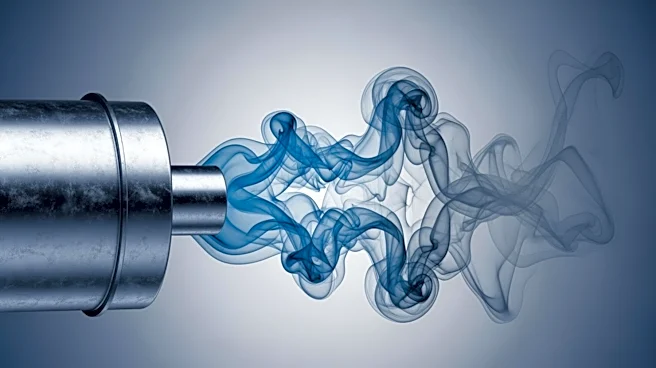
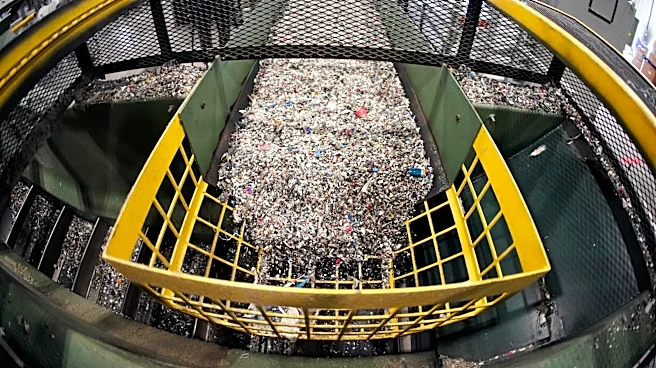
to increased pollution without adequate federal oversight. The plastics industry, however, argues that the change would clarify existing regulations while maintaining emission controls. Chemical recycling, which involves breaking down plastics using heat or chemicals, is currently regulated as incineration under the Clean Air Act. The EPA is considering reclassifying this process as manufacturing, which could alter the regulatory framework. Industry advocates, such as the American Chemistry Council, support the change, suggesting it would facilitate recycling efforts. Critics, including former EPA officials and environmental groups, warn that this could weaken environmental protections and lead to unchecked emissions.
Why It's Important?
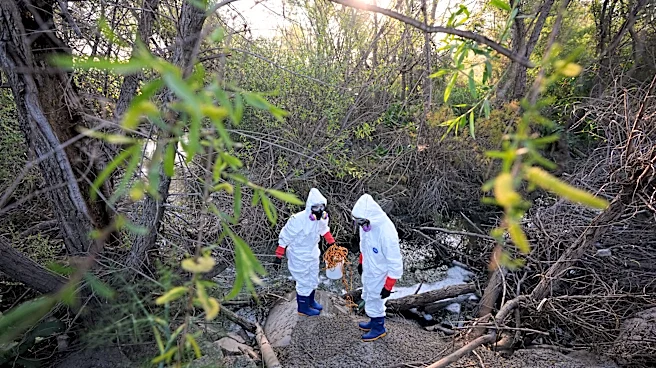
The potential regulatory change by the EPA could have significant implications for environmental policy and public health. If chemical recycling is reclassified as manufacturing, it may reduce the regulatory burden on the industry, potentially leading to increased investment and expansion of recycling facilities. However, this could also result in higher emissions of pollutants, affecting air quality and public health, particularly in communities near these facilities. The decision reflects broader tensions between environmental protection and industrial growth, highlighting the challenges of balancing economic development with sustainability. The outcome could set a precedent for how emerging recycling technologies are regulated, influencing future environmental policies and industry practices.
What's Next?
The EPA is currently seeking public comments on the proposed regulatory change, which could lead to a formal rulemaking process. Stakeholders, including environmental groups, industry representatives, and policymakers, are expected to engage in discussions and advocacy efforts. The outcome of this process could influence future regulatory approaches to chemical recycling and other emerging technologies. If the EPA proceeds with the reclassification, it may face legal challenges from environmental organizations, potentially leading to court battles over the interpretation and application of the Clean Air Act. The decision could also impact legislative efforts at the state and federal levels to regulate chemical recycling.