





What's Happening?
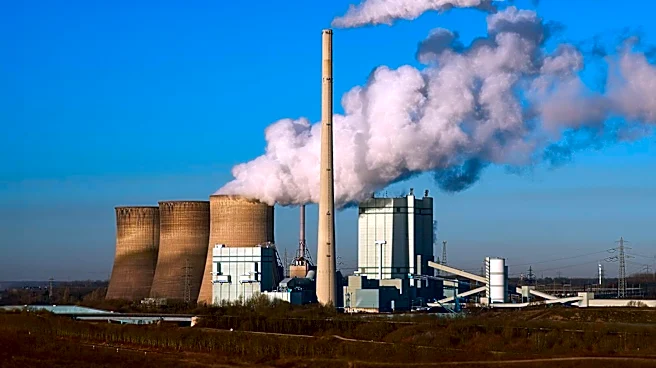
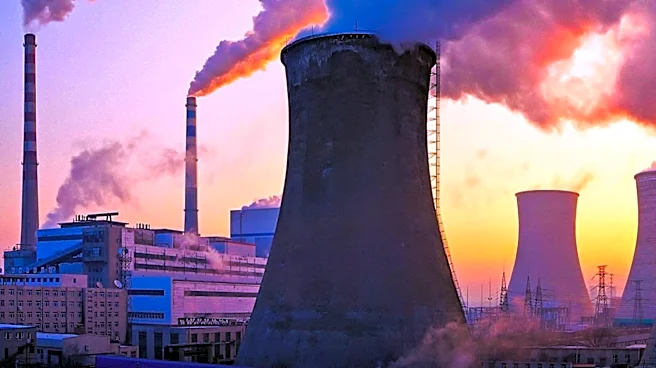
The U.S. Environmental Protection Agency (EPA) has announced the removal of limits on pollution from power plants that burn coal or natural gas. This decision reverses a previous ruling that required fossil fuel-based power plants to capture 90% of their
greenhouse gas emissions. According to Lee Zeldin, who leads the EPA, this move is projected to save $310 billion, primarily by eliminating the need for power plants to invest in pollution-limiting equipment. The EPA claims this will result in cheaper electricity for American consumers. This action aligns with President Trump's long-standing support for fossil fuel businesses and his administration's efforts to roll back environmental protections established under previous administrations. The EPA, originally created in 1970 to reduce pollution and protect the environment, has, under President Trump, focused on decisions intended to benefit American businesses, particularly those in the fossil fuel sector. The agency now asserts it lacks the authority to regulate greenhouse gas emissions, a stance that could significantly hinder future climate action.
Why It's Important?
This decision by the EPA carries significant implications for public health and the environment. Critics argue that the removal of these pollution limits will lead to substantial public health costs, including increased instances of breathing difficulties, illnesses, and fatalities among Americans. The new rules are expected to contribute an additional 136 million tons (123 million metric tons) of greenhouse gas pollution over the next decade. Given that the U.S. is the world's second-largest producer of greenhouse gases and power plants are the second-largest source of these emissions domestically (after transportation), this policy shift could severely undermine efforts to combat the climate crisis. The EPA has also previously removed greenhouse gas pollution regulations for cars and trucks, further exacerbating concerns about the nation's overall emissions trajectory. This move signals a continued prioritization of economic interests, particularly within the fossil fuel industry, over environmental protection and public health.
What's Next?
The EPA's decision is anticipated to face legal challenges, with several groups already having initiated lawsuits against the government. The outcome of these legal battles will determine whether the new rule remains in effect. If upheld by the courts, this policy will make it considerably more difficult for future administrations to implement regulations aimed at limiting pollution from power plants. The long-term consequences could include a sustained increase in greenhouse gas emissions from the U.S. power sector, potentially hindering the country's ability to meet international climate targets, such as those outlined in the 2015 Paris Agreement. The ongoing debate between economic growth and environmental protection is likely to intensify, with continued advocacy from both environmental groups and fossil fuel industry proponents.
Beyond the Headlines
This policy change reflects a broader ideological conflict regarding the role of government regulation in environmental protection and economic activity. President Trump has consistently dismissed global warming as a 'hoax' and has actively promoted policies that support coal, oil, and gas companies, while opposing renewable energy sources. This approach challenges the scientific consensus on climate change and the urgency of reducing carbon emissions. The EPA's assertion that it lacks the power to regulate greenhouse gas emissions could set a precedent that weakens the agency's authority and makes it harder for future governments to address environmental challenges. The decision also highlights the tension between short-term economic gains, such as lower electricity costs, and the long-term societal and environmental costs associated with increased pollution and climate change impacts.