



What's Happening?
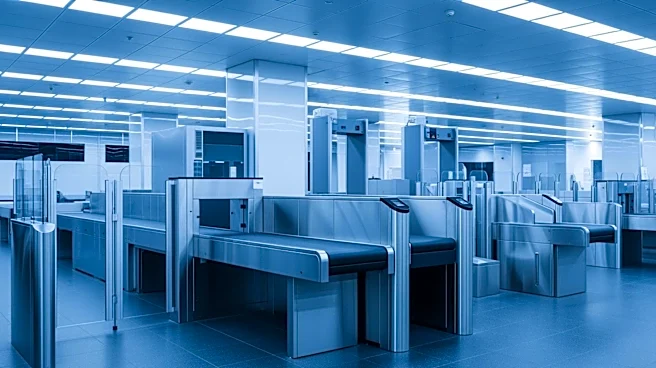
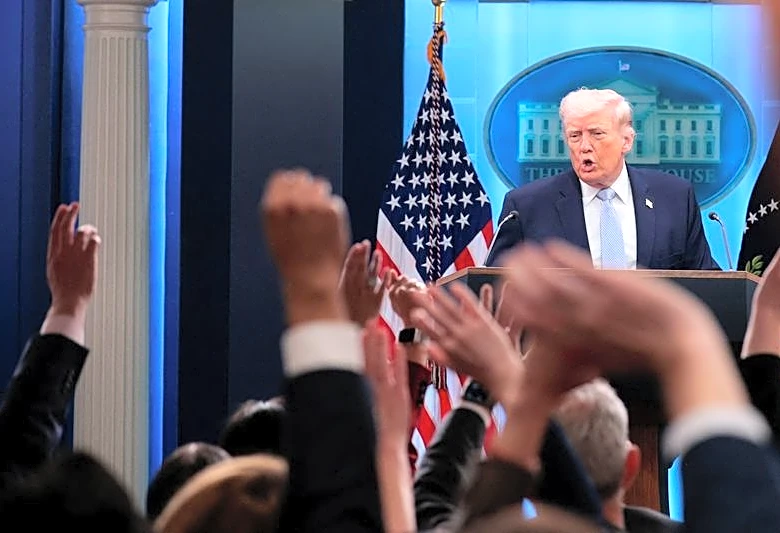
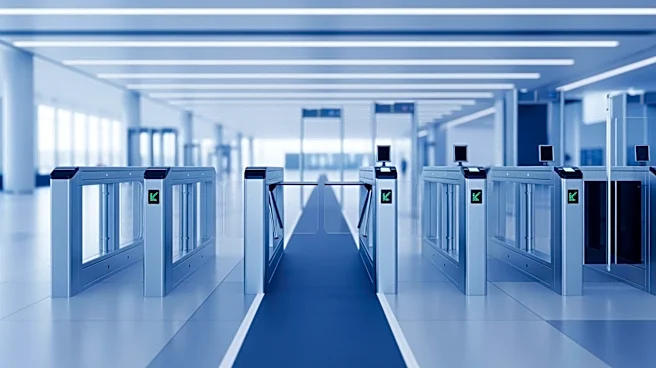
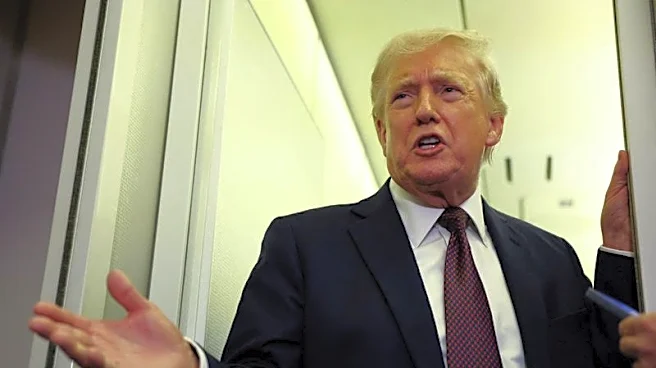
President Donald Trump has proposed the privatization of airport security operations currently managed by the Transportation Security Administration (TSA) as part of a cost-saving measure. The proposal includes a $52 million budget cut for the TSA and
mandates small airports to enroll in a program where TSA funds private screeners. This move comes amid ongoing budget disputes that have led to significant disruptions at major U.S. airports, with TSA officers experiencing unpaid periods and high absentee rates. The privatization initiative aims to alleviate TSA's dependency on congressional funding and address operational inefficiencies.
Why It's Important?
The proposed privatization of TSA screening operations could have far-reaching implications for airport security and the broader air travel industry. By shifting to private screeners, the initiative seeks to reduce costs and improve efficiency. However, it raises concerns about the potential impact on security standards and the privacy of travelers. The proposal also comes at a critical time, with the air travel industry facing challenges such as a shortage of air traffic controllers and rising safety concerns. The move could lead to changes in how airport security is managed and funded, affecting millions of travelers and thousands of TSA employees.
What's Next?
If implemented, the privatization of TSA screening operations will require significant adjustments in airport security protocols and funding mechanisms. The proposal is likely to face scrutiny from lawmakers, industry stakeholders, and civil rights groups concerned about security and privacy implications. The administration may need to address these concerns and demonstrate the effectiveness of private screening operations. Additionally, the proposal could influence future discussions on federal agency funding and the role of privatization in public services.