




What's Happening?
The National Hurricane Center (NHC) is currently tracking several areas for potential tropical development across both the Atlantic and Pacific basins. In the Atlantic, two systems are being monitored, though neither has a high probability of developing
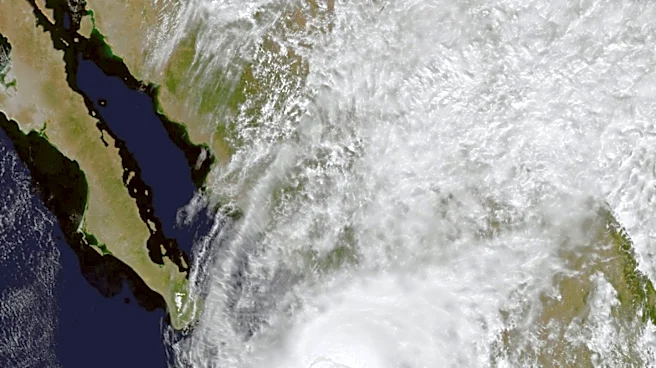
into a tropical depression within the next seven days. One trough of low pressure southwest of the Azores is showing some organization but faces marginally favorable conditions for further development. Another low-pressure area east of Bermuda, designated AL98, is no longer expected to develop due to hostile winds and dry air, according to AccuWeather lead hurricane expert Alex DaSilva. Conversely, the Pacific basin shows higher chances of development. A disturbance, EP98, southwest of the Baja California Peninsula, has an 80 percent chance of forming a tropical depression within seven days. East of EP98, another low-pressure area is likely to form a tropical depression late this weekend or early next week, also with an 80 percent chance of cyclone formation over the next seven days. Additionally, the remnants of a previous tropical depression in the Pacific have a 40 percent chance of redeveloping over the next seven days.
Why It's Important?
The monitoring of multiple tropical threats in both the Atlantic and Pacific is significant for U.S. coastal regions and maritime interests. The potential for tropical depressions to strengthen into tropical storms or hurricanes poses risks of severe weather, including heavy rainfall, strong winds, and storm surge, which can lead to property damage, power outages, and disruptions to transportation and commerce. The influence of El Niño conditions is a key factor in this year's hurricane season. While El Niño typically contributes to a quieter Atlantic hurricane season due to increased wind shear, it is associated with more tropical storm and hurricane activity in the eastern and central Pacific. This divergence in activity between the two basins means that while Atlantic coastal areas might experience fewer direct threats, Pacific coastal regions, including U.S. territories and states like Hawaii and California, could face an elevated risk of tropical cyclone impacts. Businesses in affected areas may need to prepare for potential closures, supply chain disruptions, and increased insurance claims, while emergency services must be ready to respond to potential natural disasters.
What's Next?
Forecasters will continue to closely monitor the identified areas of interest in both the Atlantic and Pacific. The NHC will issue regular updates on the development and trajectory of these systems. For the Pacific systems, particularly EP98 and the low-pressure area east of it, there is a high likelihood of tropical depression formation in the coming days, which could lead to the naming of new tropical storms if they strengthen further. Residents and businesses in areas potentially affected by these developing systems should stay informed through official weather advisories and prepare for possible impacts. This includes reviewing emergency plans, securing property, and monitoring local news for evacuation orders or other safety instructions. The ongoing El Niño conditions will continue to shape the overall hurricane season, with forecasters assessing whether the predicted patterns of activity in each basin hold true. Any significant changes in environmental conditions, such as sea surface temperatures or atmospheric shear, could alter the development potential of these systems.
Beyond the Headlines
The contrasting activity between the Atlantic and Pacific basins under El Niño conditions highlights the complex interplay of global climate patterns and regional weather phenomena. This situation underscores the need for robust and adaptable disaster preparedness strategies across different U.S. regions. For instance, while the Atlantic may see reduced activity, the increased threat in the Pacific could strain resources in those areas, potentially leading to a reallocation of federal and state emergency response assets. Furthermore, the long-term implications of climate change on tropical cyclone intensity and frequency remain a critical area of scientific inquiry. Even if the number of storms decreases in one basin, the potential for more intense storms due to warmer ocean temperatures could still pose significant risks. This scenario also emphasizes the importance of international cooperation in weather forecasting and disaster response, as tropical systems often traverse international waters and impact multiple countries. The economic and social resilience of coastal communities will be continually tested by these evolving weather patterns, necessitating ongoing investment in infrastructure and community education.