



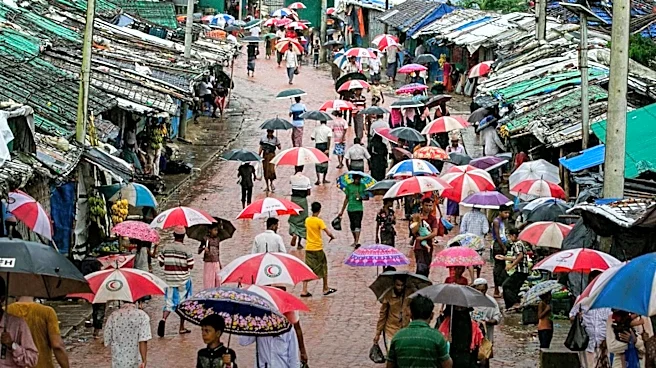
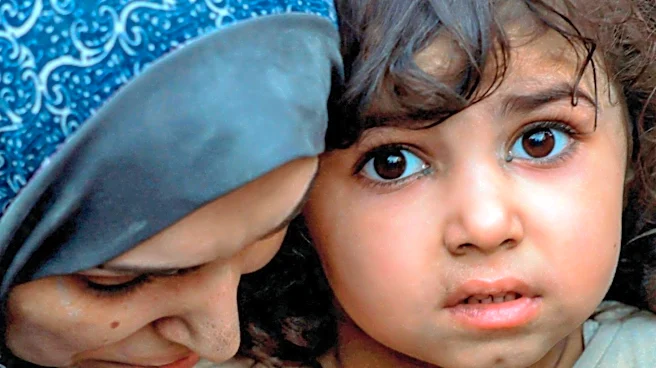
What's Happening?
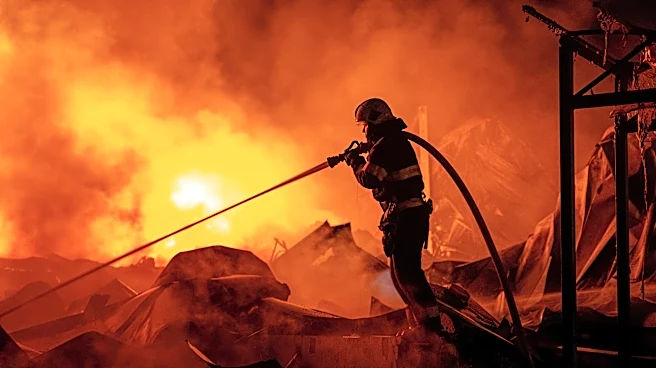
Sudan is experiencing one of the most severe humanitarian crises of the 21st century, according to Dirk Segaar, the IFRC Special Envoy for Sudan. The ongoing conflict has led to a systemic collapse of the country's social, economic, and institutional
structures. The war has displaced entire communities, accelerated the spread of diseases, and created conditions where humanitarian needs extend far beyond active conflict zones. Segaar emphasizes that the crisis cannot be understood solely through military developments but as a broader societal breakdown. The IFRC highlights the urgent need for international attention and support to address the widespread humanitarian needs affecting 35 million Sudanese people.
Why It's Important?
The situation in Sudan underscores the complexity and scale of modern humanitarian crises, where conflict leads to widespread societal collapse. The lack of international attention and support exacerbates the suffering of millions, highlighting the need for a coordinated global response. The crisis in Sudan serves as a stark reminder of the interconnectedness of conflict, public health, and economic stability. Addressing these challenges requires a multifaceted approach that goes beyond immediate relief efforts to include long-term strategies for rebuilding and development.
What's Next?
The IFRC's call for increased international support is likely to prompt discussions among global leaders and humanitarian organizations about how to effectively address the crisis in Sudan. The focus will be on securing more funding and resources to meet the urgent needs of the affected population. Additionally, there may be efforts to engage in diplomatic initiatives aimed at resolving the underlying conflict and promoting stability in the region. The international community's response will be crucial in determining the future of Sudan and its people.