
What's Happening?
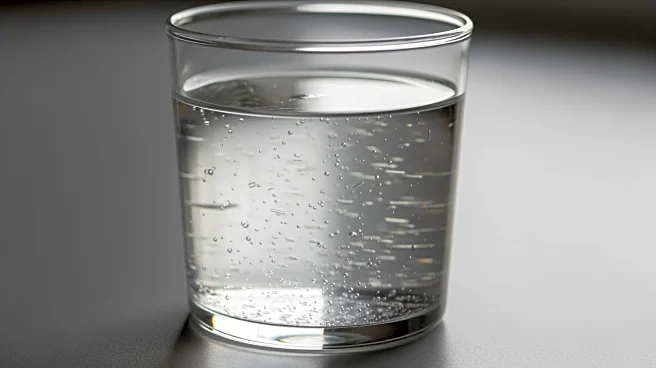
A recent study has highlighted the significant release of microplastics from disposable plastic cups into common beverages such as coffee and tea. Conducted by environmental scientist Xiangyu Liu and colleagues,
the research reviewed data from 30 peer-reviewed studies to understand how plastics like polyethylene and polypropylene behave under different conditions. The study found that heat is a primary driver of microplastic release, with plastic cups shedding thousands of tiny plastic fragments into drinks. The release of microplastics ranged from a few hundred to over 8 million particles per liter, depending on the material and conditions. The findings underscore the environmental and health implications of using disposable plastic cups, as microplastics can enter the human body through ingestion and inhalation.
Why It's Important?
The study's findings are significant as they highlight the potential health risks associated with the widespread use of disposable plastic cups. With an estimated 500 billion single-use cups used annually, the release of microplastics into beverages poses a substantial public health concern. Microplastics have been found throughout the human body, including in the walls of arteries, raising concerns about their long-term health effects. The research calls for urgent action to find sustainable alternatives to disposable plastic cups, emphasizing the need for policy changes and increased public awareness to reduce plastic pollution and its impact on human health.