

What's Happening?
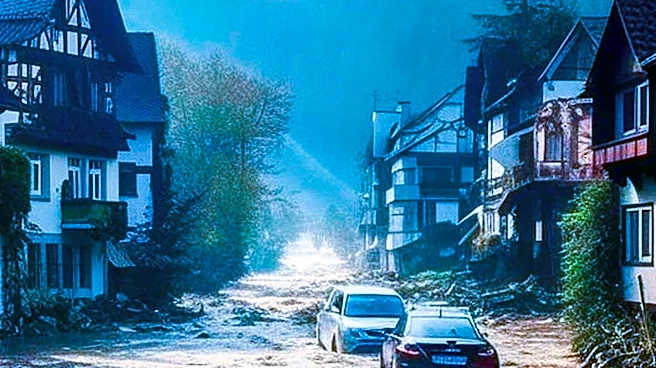
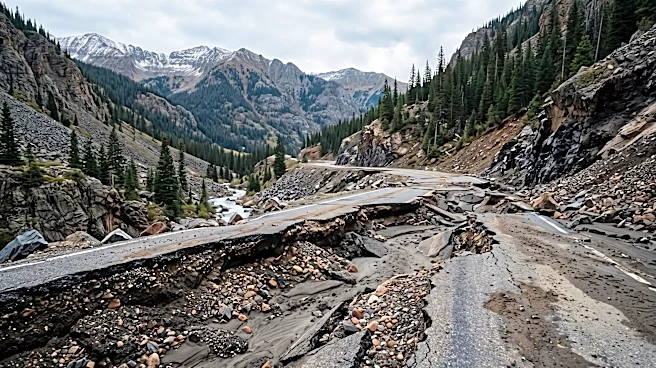
The International Federation of Red Cross and Red Crescent Societies (IFRC), through its Disaster Response Emergency Fund (DREF), has supported the Vietnam Red Cross Society in recovery efforts following severe floods and landslides in central and south-central
Vietnam. These natural disasters, which occurred in late November last year, affected millions and resulted in significant loss of homes, livelihoods, and essential belongings for many families. The support provided by the IFRC and the Vietnam Red Cross Society targeted affected communities across Dak Lak, Gia Lai, Khanh Hoa, and Lam Dong provinces. Over 2,000 households received cash assistance to address immediate needs, while 500 households were granted livelihood recovery funds to replace livestock, purchase equipment, and restart income-generating activities. Additionally, 100 households received aid to repair and rebuild safer homes, and 115 Red Cross staff members underwent training to enhance their disaster response capabilities. This initiative aims to help communities recover and strengthen their resilience against future disasters.
Why It's Important?
This humanitarian intervention by the IFRC highlights the critical role international organizations play in disaster relief and recovery, particularly in regions prone to natural calamities. The provision of direct cash assistance and livelihood recovery grants is crucial for enabling affected families to regain self-sufficiency and rebuild their lives, preventing long-term economic hardship and displacement. By supporting the Vietnam Red Cross Society, the IFRC also strengthens local capacities for disaster response, fostering a more resilient community infrastructure. This approach not only addresses immediate needs but also invests in long-term preparedness, reducing the vulnerability of populations to future environmental shocks. The focus on rebuilding safer homes and enhancing local staff training underscores a comprehensive strategy for sustainable recovery and disaster risk reduction.
What's Next?
The ongoing efforts will likely focus on monitoring the long-term impact of the recovery grants and assistance, ensuring that the affected communities continue to rebuild and strengthen their resilience. The enhanced disaster response capacity of the Vietnam Red Cross staff, resulting from the training, will be crucial for future emergency operations. The IFRC and its partners will continue to assess the needs of vulnerable populations and may initiate further phases of support if required, particularly as climate change potentially increases the frequency and intensity of such natural disasters. Continued collaboration between international humanitarian organizations and local societies will be essential for sustained recovery and preparedness in the region.
Beyond the Headlines
The recurring nature of severe floods and landslides in Vietnam underscores the broader challenges posed by climate change and environmental degradation, particularly in vulnerable coastal and mountainous regions. The IFRC's intervention, while critical, also highlights the need for more robust national and international policies on climate adaptation and disaster risk reduction. The emphasis on local leadership and capacity building through the Vietnam Red Cross Society reflects a growing recognition that effective humanitarian aid must be locally driven and culturally sensitive. This model of support can serve as a blueprint for other regions facing similar environmental threats, promoting self-reliance and sustainable development in the face of increasing global climate instability.