



What's Happening?
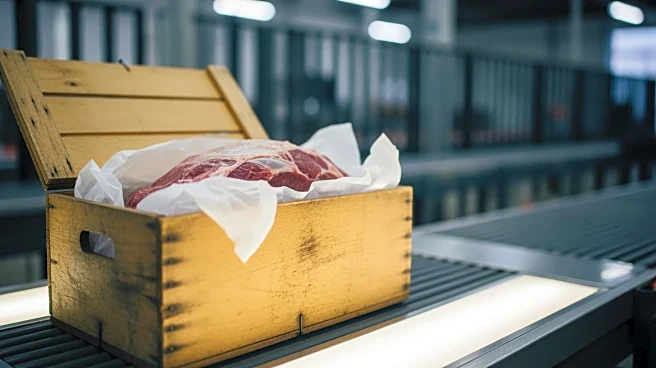
The Environmental, Food and Rural Affairs (Efra) committee in the UK has raised concerns about the failure of British border controls to adequately check consignments of meat and animal products. According to data from the Environment Department (Defra),
a significant percentage of flagged consignments were not taken to the designated border control post at Sevington, despite being directed to do so. This practice, referred to as 'drive-bys', has increased from 8% in August 2025 to 18% in November 2025. The Efra committee warns that this lack of checks could lead to the introduction of diseases such as African swine fever and foot and mouth disease into the UK. The committee's chairman, Alistair Carmichael, criticized the government for not committing enough resources to improve the system, which he described as dysfunctional.
Why It's Important?
The failure to properly check meat imports at British borders poses a significant risk to the UK's livestock and plant sectors. Diseases like African swine fever and foot and mouth disease could have devastating effects on agriculture, leading to economic losses and potential food shortages. The situation also highlights vulnerabilities in the UK's border control systems, which could be exploited by criminal gangs to import illegal products. This issue underscores the need for robust border controls to protect public health and the economy. The government's response to these concerns will be crucial in preventing a potential disaster.
What's Next?
The UK government is expected to address the shortcomings in the border control system. This may involve increasing resources for border checks and implementing more stringent measures to ensure compliance. The Efra committee has called for the continuation and expansion of pilot programs that have shown success in reducing non-compliance. The government will need to work closely with the EU to establish a new system that effectively manages the risks associated with meat imports. Stakeholders in the agricultural sector will likely push for swift action to prevent any outbreaks of disease.