



What's Happening?
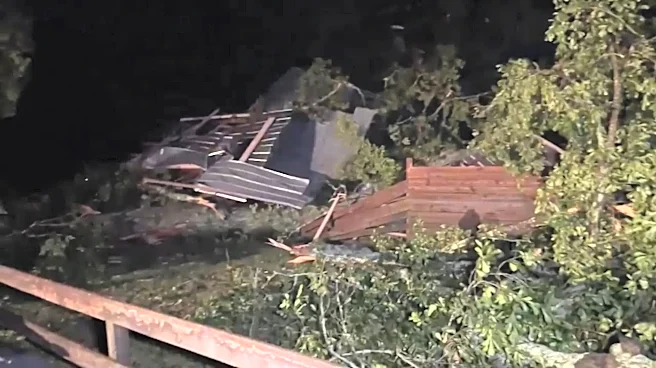
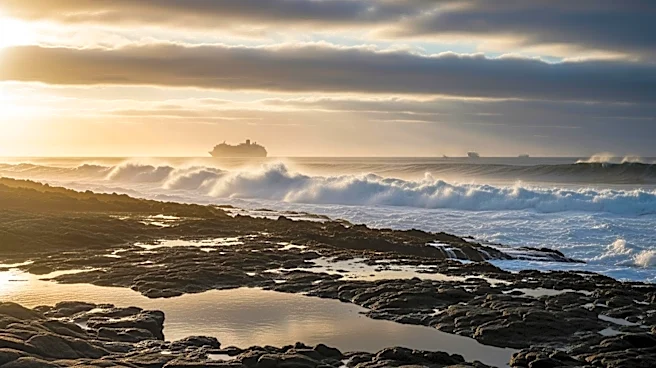
In 2025, a massive landslide in Alaska's Tracy Arm Fjord triggered the second-tallest tsunami ever recorded, with a wave reaching 1,578 feet. The event occurred on August 10, 2025, when a landslide the size of 12 city blocks fell into the South Sawyer
Glacier, creating a tsunami that went largely undetected. The Alaska Earthquake Center, led by research seismologist Ezgi Karasözen, highlighted the unprecedented scale of the event. Seismic activity was noted days before the landslide, but the signals were too weak to be identified as earthquakes. The tsunami caused significant ecological damage, stripping vegetation from the fjord's steep rock walls. Although no injuries were reported, the event has led to multiple cruise lines avoiding the area this summer, impacting the local tourism industry.
Why It's Important?
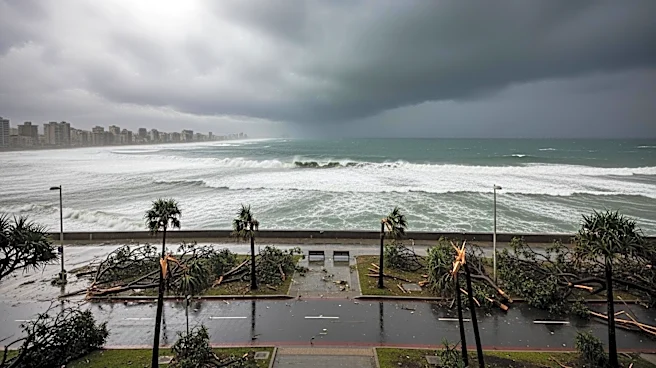
The 2025 tsunami underscores the vulnerability of Alaska's coastal regions to seismic and environmental hazards. The event's impact on the cruise industry highlights the economic repercussions of natural disasters on local economies reliant on tourism. The inability to detect the landslide in advance raises concerns about the effectiveness of current monitoring systems for such geological events. This incident emphasizes the need for improved detection and warning systems to mitigate future risks and protect both ecological and human interests in the region.
What's Next?
In response to the tsunami, there is likely to be increased scrutiny on Alaska's geological monitoring systems. The Alaska Earthquake Center and other agencies may seek to enhance their capabilities to detect and respond to similar events in the future. The cruise industry may also implement new safety protocols and route adjustments to avoid high-risk areas. Additionally, there could be a push for more comprehensive studies on the effects of climate change on glacier stability and the potential for future landslides.