







What's Happening?
The Indiana Department of Transportation (INDOT) announced on Monday that various intersections across Fort Wayne will receive traffic signal updates. Crews are scheduled to work overnight, between 6 p.m. and 6 a.m., during the week of November 2, to replace
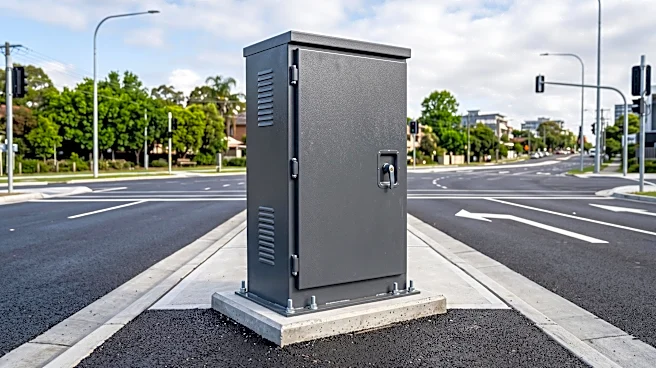
traffic signal cabinets and controllers throughout the city. Several intersections are slated to receive new traffic signal cabinets, including Clinton St./U.S. 27 & Headwaters Park Crosswalk, Coliseum Blvd./S.R. 930 & eastbound Washington Blvd. exit ramp, Lafayette St./U.S. 27 & Tillman Rd., Lafayette St./U.S. 27 & Pontiac St., Lima Rd./S.R. 3 & Washington Center Rd., Lima Rd./S.R. 3 & Wallen Rd., Lima Rd./S.R. 3 & Cook Rd., and Lima Rd./S.R. 3 & Dupont Rd. During these cabinet replacements, lane restrictions will be in effect, and traffic will be managed by flaggers. Additionally, numerous intersections along Coliseum Blvd./S.R. 930 will receive new traffic signal controllers, including those at Anthony Blvd., Hobson Rd., Vance Ave., Glenbrook Square Mall entrance, Speedway Dr., Executive Blvd., Lowes/Delaware, Sherman Blvd., Allen County War Memorial Coliseum entrance, Clinton St., Coldwater Rd., Parnell Ave., Crescent Ave., State Blvd., and Lake Ave. During controller replacements, traffic signals will briefly be put on flash.
Why It's Important?
These traffic signal updates are crucial for improving traffic flow, safety, and efficiency across Fort Wayne's road network. Modernizing traffic signal cabinets and controllers can lead to more responsive and adaptive traffic management systems, which can reduce congestion, decrease travel times, and enhance overall road safety. Outdated equipment can lead to malfunctions, inefficient signal timing, and increased potential for accidents. By upgrading these components, INDOT aims to ensure that traffic signals operate optimally, responding more effectively to real-time traffic conditions. This is particularly important for busy corridors like Coliseum Blvd./S.R. 930, which serves as a major artery connecting commercial areas, residential zones, and key public facilities such as the Allen County War Memorial Coliseum and Glenbrook Square Mall. The improvements will benefit daily commuters, commercial drivers, and emergency services by providing more predictable and smoother traffic patterns, ultimately contributing to a better driving experience and reduced fuel consumption due to less idling.
What's Next?
Drivers in Fort Wayne should anticipate temporary disruptions during the overnight work hours throughout the week of November 2. INDOT advises motorists to exercise extra caution, reduce speed, and avoid distractions when traveling through and near all work zones. The presence of flaggers and brief signal flashes during controller replacements will require heightened awareness from drivers. Following the completion of these updates, residents and commuters can expect to experience improved traffic signal performance, which should lead to more efficient travel across the affected intersections. INDOT will likely monitor the performance of the new equipment to ensure optimal functionality and make any necessary adjustments. These upgrades are part of ongoing efforts to maintain and modernize Indiana's transportation infrastructure, ensuring it meets current and future traffic demands.
Beyond the Headlines
The systematic upgrade of traffic signals in Fort Wayne reflects a broader trend in urban infrastructure management towards smart city initiatives. Modern traffic signal controllers often incorporate advanced technologies, such as adaptive signal control systems, which can adjust timing based on real-time traffic volume and flow. While the announcement specifically mentions cabinet and controller replacements, these upgrades lay the groundwork for potentially integrating more sophisticated traffic management solutions in the future. Such systems can dynamically optimize traffic flow, reduce bottlenecks, and even prioritize certain routes for emergency vehicles. This investment in foundational technology can lead to long-term benefits beyond immediate traffic improvements, including reduced carbon emissions from less idling traffic, enhanced pedestrian safety through better signal coordination, and more efficient public transportation routes. It signifies a commitment to leveraging technology for more sustainable and efficient urban mobility.