








What's Happening?
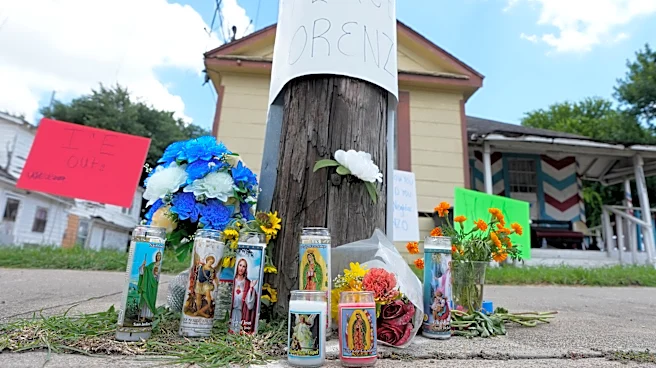
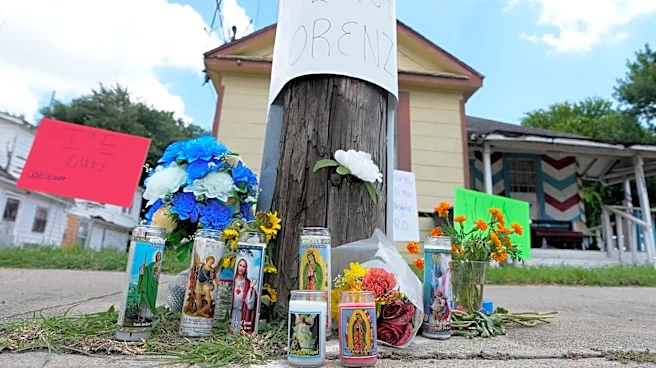
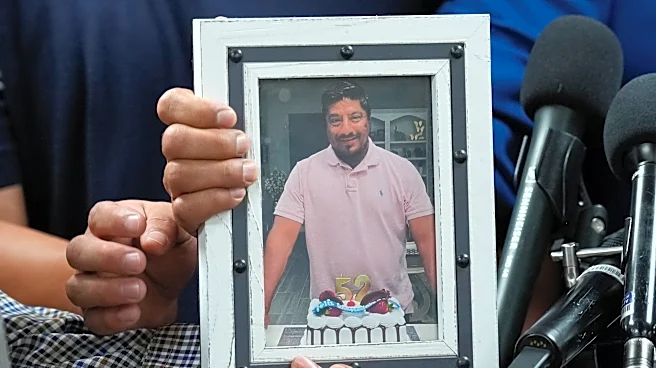
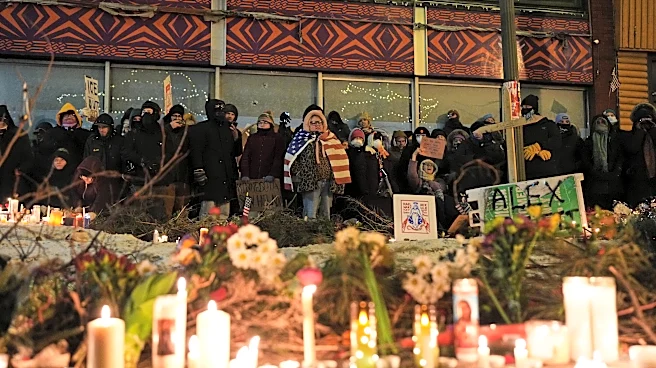
In Minneapolis, the aftermath of a significant Immigration and Customs Enforcement (ICE) operation continues to affect the community. The operation, known as Operation Metro Surge, involved over 3,000 federal agents and resulted in the fatal shootings
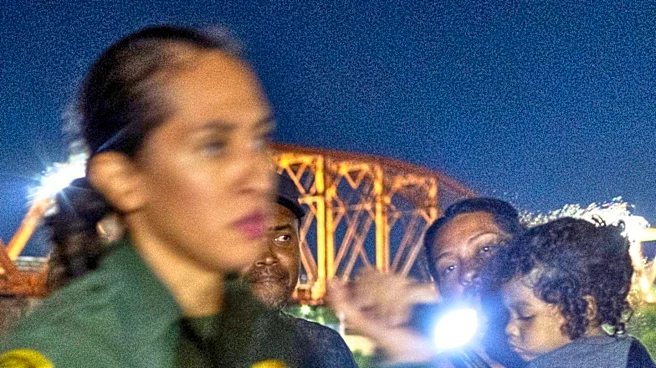
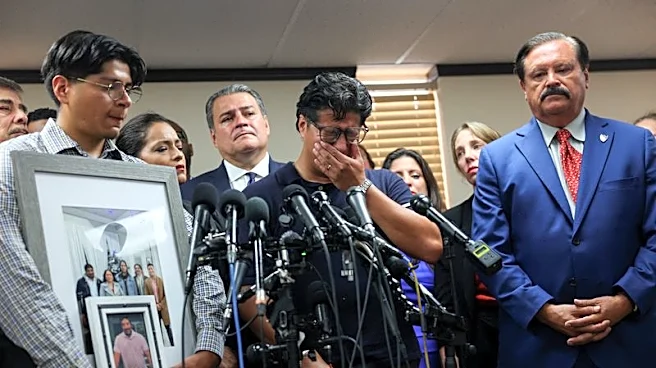
of Renee Good and Alex Pretti. The operation also saw aggressive detentions, including the forceful removal of individuals from their homes and workplaces. Despite a reduction in visible ICE presence, the fear and trauma among immigrant communities persist. Community members are wary of leaving their homes, and many carry passports due to fears of being stopped and profiled. Efforts to support affected families, such as mutual aid and grocery deliveries, continue as the community grapples with the long-term impact of the raids.
Why It's Important?
The ICE operation in Minneapolis highlights significant concerns about immigration enforcement tactics and their impact on communities. The aggressive nature of the raids has led to increased mistrust in government institutions and fear among immigrant populations. This situation underscores the broader national debate on immigration policies and enforcement practices, particularly under President Trump's administration. The operation's aftermath has prompted community organizations to provide ongoing support and advocacy, emphasizing the need for policy reforms that protect immigrant rights and address the trauma caused by such enforcement actions.
What's Next?
Community organizations in Minneapolis are working to document the events and support those affected by the ICE operation. Initiatives like Story Circles and a Truth Council aim to provide spaces for individuals to share their experiences and process the trauma. Meanwhile, ICE continues to operate in the region, albeit less visibly, raising concerns about future enforcement actions. The community remains vigilant, with ongoing efforts to monitor ICE activities and advocate for policy changes that prioritize humane treatment and due process for immigrants.
Beyond the Headlines
The situation in Minneapolis reflects broader issues of racial profiling and civil rights violations in immigration enforcement. The operation has drawn parallels to authoritarian practices, evoking historical trauma for many immigrants who fled such regimes. The community's response, characterized by solidarity and mutual aid, highlights the resilience and agency of immigrant populations in the face of systemic challenges. This case may influence future discussions on immigration policy and enforcement practices at both local and national levels.