






What's Happening?
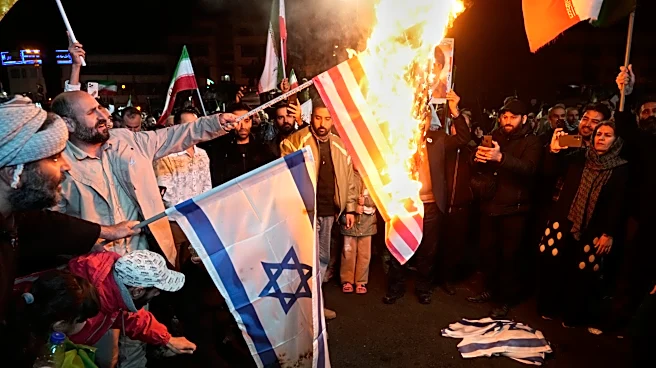
The Asia-Pacific markets experienced a rally following an announcement by U.S. President Donald Trump regarding a two-week ceasefire agreement with Iran. This agreement involves suspending planned attacks on Iranian infrastructure, contingent upon Iran's
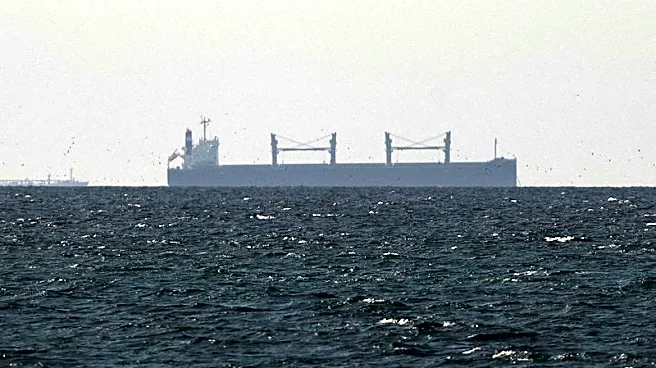
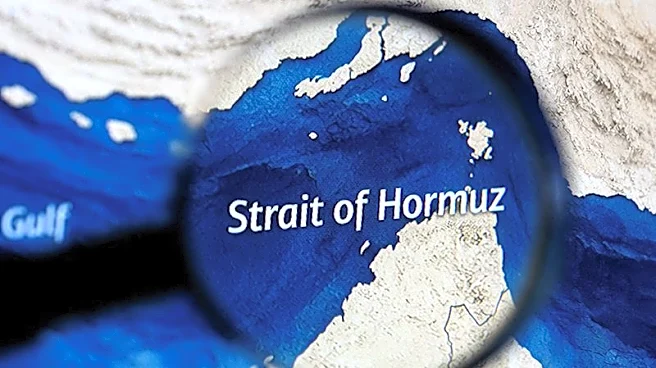
agreement to open the Strait of Hormuz completely, immediately, and safely. Iranian Foreign Minister Abbas Araghchi confirmed that Iran's armed forces would cease defensive operations, allowing safe passage through the Strait of Hormuz for the next two weeks. As a result, U.S. crude oil prices saw a significant drop, with the West Texas Intermediate contract falling over 16% to $94.71 per barrel. The international benchmark Brent crude also decreased by more than 14.9% to $93 per barrel.
Why It's Important?
The ceasefire agreement between the U.S. and Iran is significant as it temporarily alleviates tensions in a region critical to global oil supply. The Strait of Hormuz is a vital passage for about one-fifth of the world's oil trade, and its reopening under the truce is expected to stabilize oil markets temporarily. The drop in oil prices reflects market relief and optimism, as investors anticipate reduced geopolitical risks and potential diplomatic resolutions. This development could benefit industries reliant on oil, such as transportation and manufacturing, by lowering operational costs. However, the temporary nature of the ceasefire means that stakeholders must remain cautious about future developments.
What's Next?
Negotiations are expected to begin in Islamabad, marking a potential diplomatic off-ramp since the conflict's escalation. The U.S. and Iran will likely engage in discussions to extend the ceasefire or reach a more permanent resolution. The international community, including major oil-importing countries, will closely monitor these talks, as any changes could impact global oil prices and supply chains. Additionally, political leaders and businesses may prepare contingency plans to address potential disruptions if the ceasefire ends without a long-term agreement.