







What's Happening?
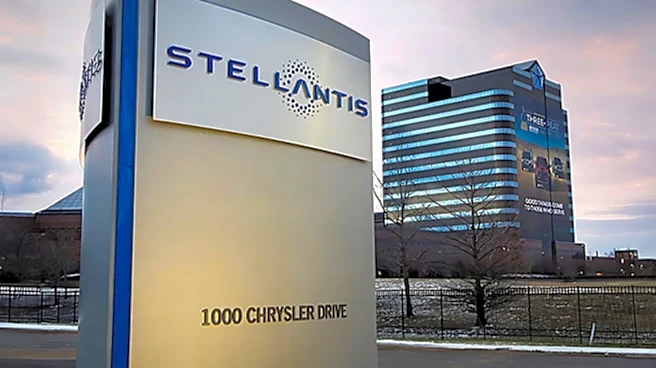
Stellantis, formerly FCA US, is initiating a recall of nearly 266,000 Ram ProMaster vans across the United States. The recall addresses a significant safety concern related to a potential loss of electric power steering assist. This issue stems from a water-intrusion
defect that can compromise the power steering system. In addition to the vans, approximately 8,400 Mopar body and jumper wiring harnesses, sold as replacement equipment, are also included in this recall due to the same identified defect. The company, which designs, engineers, manufactures, and sells passenger cars, light commercial vehicles, and mobility solutions globally, is taking action to mitigate the risks associated with this malfunction. This recall highlights Stellantis's ongoing commitment to product safety and compliance within the automotive industry.
Why It's Important?
This recall is important due to its direct impact on vehicle safety and the potential financial implications for Stellantis and its customers. A loss of electric power steering assist can significantly increase the effort required to steer a vehicle, particularly at low speeds, raising the risk of accidents. For businesses and individuals relying on Ram ProMaster vans for commercial or personal use, this defect poses a substantial operational and safety hazard. The recall of Mopar replacement parts further underscores the widespread nature of the defect, affecting both new vehicles and those that may have undergone repairs. Stellantis faces costs associated with identifying, notifying, and repairing affected vehicles, which could be substantial given the large number of units involved. The company's reputation and consumer trust could also be affected, potentially impacting future sales and market standing in the competitive U.S. automotive market.
What's Next?
Stellantis will proceed with notifying affected vehicle owners and dealerships about the recall. Owners of the recalled Ram ProMaster vans and those who purchased the specified Mopar wiring harnesses will be instructed to bring their vehicles or parts to authorized service centers for inspection and repair. The company will need to ensure a sufficient supply of replacement parts and trained technicians to handle the volume of repairs efficiently. Regulatory bodies, such as the National Highway Traffic Safety Administration (NHTSA), will likely monitor Stellantis's handling of the recall to ensure compliance and effective resolution of the safety issue. The successful execution of this recall will be crucial for Stellantis to maintain consumer confidence and mitigate potential legal or regulatory repercussions.
Beyond the Headlines
The recall of a significant number of vehicles due to a water-intrusion defect in the power steering system points to broader implications regarding manufacturing quality control and component sourcing within the automotive industry. Such defects can arise from design flaws, material deficiencies, or issues in the assembly process. This incident may prompt Stellantis and other manufacturers to review their quality assurance protocols and supplier relationships more rigorously, especially for critical safety components. The increasing complexity of modern vehicle systems, particularly electric power steering, introduces new challenges for ensuring long-term reliability and resistance to environmental factors like water intrusion. This event could also influence future vehicle design and engineering practices, emphasizing robust sealing and protection for sensitive electronic and electrical components to prevent similar issues.