






What's Happening?
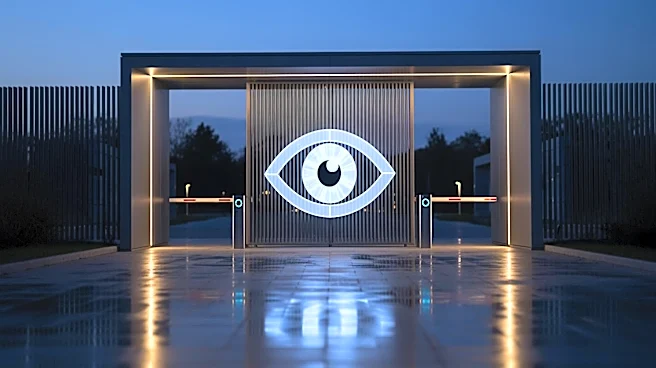
Disneyland and California Adventure have introduced facial recognition technology at their entrances to streamline guest entry and prevent fraud. The system converts facial images into unique numerical values, which are then compared with previous images taken
when tickets or passes were first used. While Disney claims this technology enhances convenience, privacy experts express concerns about potential misuse of biometric data. The technology's rapid adoption raises questions about data security and the potential for law enforcement access.
Why It's Important?
The implementation of facial recognition at Disneyland reflects a broader trend of using biometric technology in public spaces, raising significant privacy and ethical concerns. While it offers operational efficiencies, the potential for data breaches and misuse of personal information poses risks to consumer privacy. The normalization of such surveillance technologies could lead to increased public scrutiny and calls for stricter regulations to protect individual rights. This development highlights the ongoing tension between technological advancement and privacy protection.
What's Next?
Disneyland's use of facial recognition may prompt other theme parks and public venues to adopt similar technologies, potentially leading to widespread acceptance. However, it may also trigger legal and regulatory challenges as privacy advocates push for stronger protections. Disney's data privacy policy states that numerical values are deleted within 30 days unless needed for legal reasons, but ongoing public debate may influence future policy adjustments. Stakeholders, including privacy organizations and regulatory bodies, are likely to monitor the situation closely.