







What's Happening?
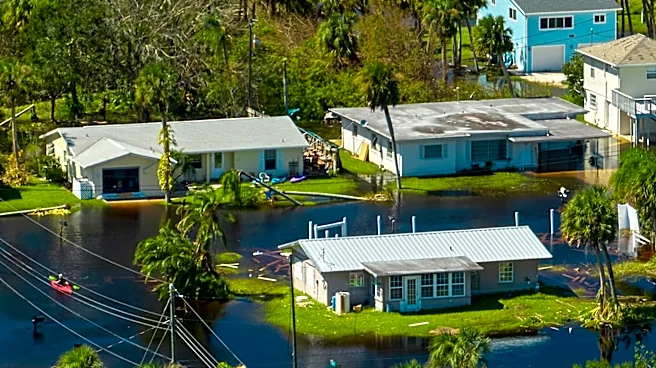
South Sudan is experiencing severe environmental challenges due to climate change, particularly in its main oil-producing region, Unity State. The 2021 floods submerged a significant portion of the oil extraction infrastructure, impacting the country's
vital oil sector, which accounts for over 90% of state revenue and nearly all exports. The flooding has resulted in disastrous water pollution, affecting local communities and ecosystems. The World Food Programme has increased its preparedness and response plans to mitigate the effects of climate-driven emergencies, including floods, droughts, and storms, in South Sudan and other affected regions. The long-term impacts of this crisis are still emerging, with concerns over water contamination and its effects on human health and local wildlife.
Why It's Important?
The environmental crisis in South Sudan has significant implications for the country's economy and public health. The oil sector, a crucial part of South Sudan's economy, is threatened by the flooding and pollution, potentially leading to economic instability. The contamination of water sources poses a serious health risk to local communities, with reports of increased birth defects and health issues linked to pollution. This situation highlights the urgent need for effective environmental management and infrastructure development to cope with climate change impacts. The international community's response, including humanitarian aid and support for sustainable development, will be critical in addressing these challenges.
What's Next?
Efforts to address the environmental crisis in South Sudan will likely focus on improving infrastructure to manage flooding and pollution. International organizations and local authorities may increase collaboration to implement sustainable solutions and provide humanitarian aid to affected communities. The government may face pressure to enforce environmental regulations and prioritize public health. Long-term strategies could include investment in renewable energy and sustainable agriculture to reduce reliance on oil and enhance resilience to climate change.
Beyond the Headlines
The situation in South Sudan underscores the broader challenges faced by developing countries in managing the impacts of climate change. The lack of infrastructure and resources exacerbates the vulnerability of these regions to environmental disasters. This crisis also raises ethical questions about the responsibility of developed nations to support climate adaptation efforts in less developed countries. The potential for increased conflict over scarce resources, such as clean water, highlights the need for comprehensive international cooperation and policy-making to address the root causes of climate change and its global effects.