
What's Happening?
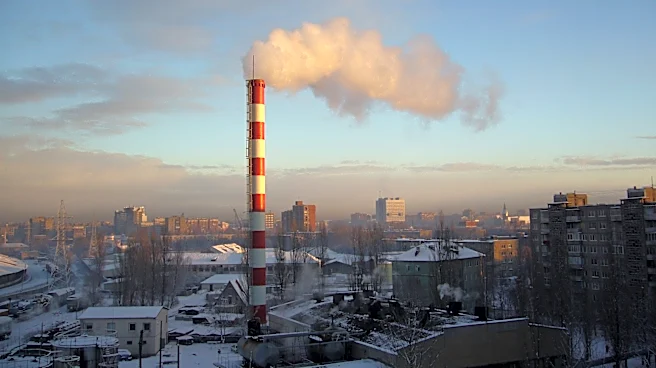
The Trump administration is considering a rule change that could significantly reduce public input in the permitting process for new polluting facilities, such as gas plants and diesel generators that power
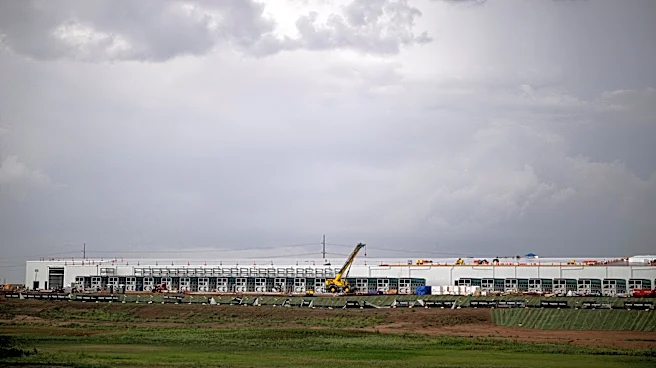
data centers. This proposal, discussed in a recent Environmental Protection Agency (EPA) public hearing, would allow states to determine the level of public participation required for minor pollution sources. Currently, the Clean Air Act mandates public involvement in permitting processes, especially for major pollution sources. However, the proposed rule would shift more control to state and local agencies, potentially limiting public awareness and involvement in decisions about new or expanded polluting facilities. This change comes amid a surge in data center construction, which often relies on minor pollution permits, and as the Trump administration seeks to bolster the U.S. position as a leader in artificial intelligence.
Why It's Important?
The proposed rule change could have significant implications for communities across the United States, particularly those near new data center developments. By reducing public input, the rule could lead to increased pollution without adequate community oversight or involvement. This is particularly concerning in states with less stringent public participation laws, where communities might be left unaware of new developments that could impact their environment and health. The move aligns with the Trump administration's broader agenda to promote fossil fuel infrastructure and reduce regulatory barriers for industries, potentially at the expense of environmental protections and public health. The rule change could also accelerate the construction of data centers, which are critical for supporting the growing demand for artificial intelligence and digital services.
What's Next?
If the rule is finalized, it will be up to individual states to decide how to implement public participation in the permitting process for minor pollution sources. This could lead to a patchwork of regulations across the country, with varying levels of public involvement. Environmental and community advocacy groups may challenge the rule, arguing that it undermines the public's right to be informed and involved in decisions affecting their environment. States with strong public participation laws may continue to enforce these standards, but others might see reduced community engagement. The outcome of this rule change could set a precedent for future regulatory decisions under the Trump administration, particularly those related to environmental oversight and public involvement.
Beyond the Headlines
The proposed rule change highlights a broader tension between economic development and environmental protection. As the U.S. seeks to become a leader in artificial intelligence, the demand for data centers—and the energy they consume—will likely increase. This raises questions about the sustainability of current energy practices and the role of renewable energy in meeting future demands. The rule change could also influence how other countries approach similar issues, as they balance technological advancement with environmental stewardship. Additionally, the move may prompt discussions about the ethical implications of prioritizing economic growth over public health and environmental integrity.