


What's Happening?
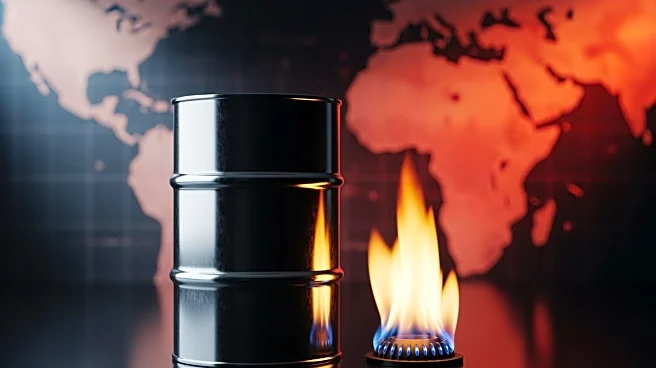
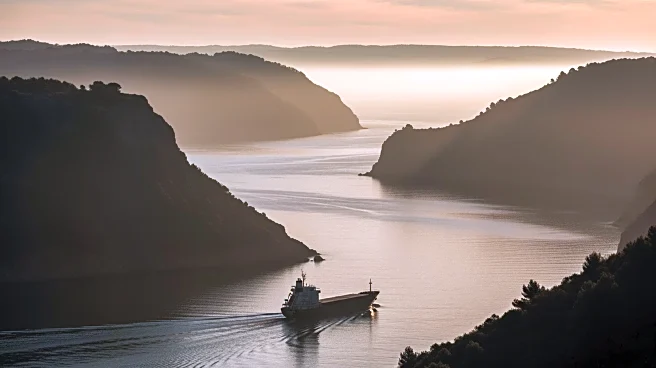
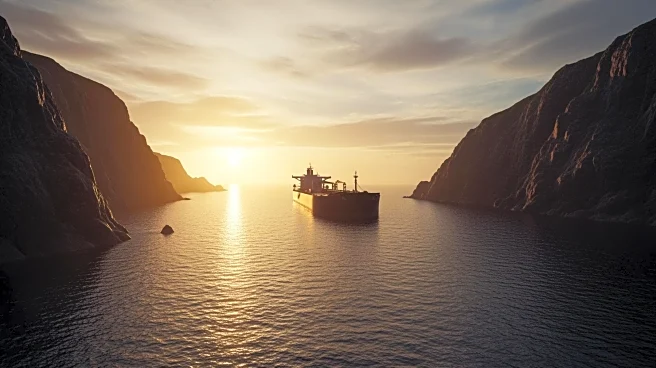
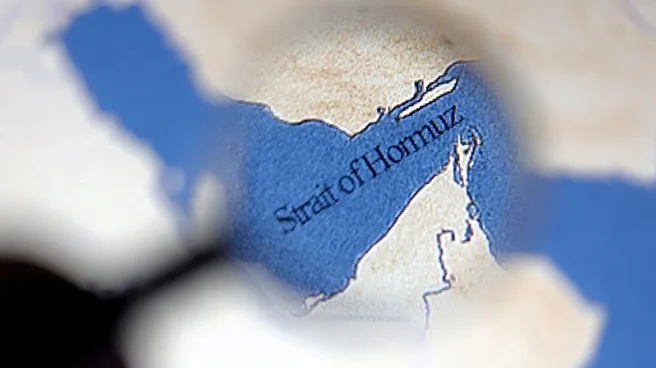
Recent actions by Iran in the Strait of Hormuz have led to a significant increase in global oil prices, causing Western governments to reconsider their stance on Iran. Initially, Western leaders condemned Iran for its destabilizing actions and support
for terrorism. However, as oil prices surged, there has been a noticeable shift in rhetoric, with calls for restraint and de-escalation becoming more prominent. This shift highlights the influence of economic factors, particularly oil prices, on the moral and political positions of Western nations.
Why It's Important?
The situation underscores the complex interplay between economic interests and foreign policy. The reliance on oil from the Strait of Hormuz makes Western economies vulnerable to disruptions, influencing their willingness to confront Iran's actions. This raises questions about the consistency of Western principles, as economic pressures appear to override moral clarity. The scenario also highlights the strategic importance of energy diversification and the need for policies that reduce dependency on volatile regions.
Beyond the Headlines
The current situation reflects a broader trend where economic considerations increasingly dictate international relations. This has implications for global stability, as it may embolden regimes like Iran to leverage economic dependencies to achieve political goals. The reliance on oil as a critical resource also points to the need for a transition to renewable energy sources, which could mitigate the impact of such geopolitical tensions. Additionally, the situation calls into question the effectiveness of current foreign policy frameworks in addressing the challenges posed by economically motivated shifts in international alliances.