







What's Happening?
The Isabella Stewart Gardner Museum in Boston remains at the center of the largest art theft in history, with 13 artworks valued at over $500 million still missing 36 years after the heist. The robbery occurred on March 18, 1990, when two men disguised
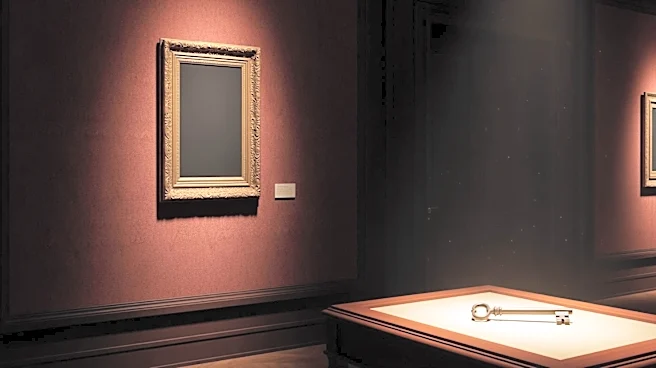
as police officers gained entry to the museum, subdued the guards, and stole several masterpieces, including works by Vermeer and Rembrandt. Despite the FBI identifying suspects in 2013, no arrests have been made, and the artworks have not been recovered. Former FBI investigator Geoffrey Kelly has published a book, 'Thirteen Perfect Fugitives,' detailing the investigation and suggesting new leads. The museum continues to display empty frames as a reminder of the theft, and a $10 million reward remains for information leading to the recovery of the artworks.
Why It's Important?
The unsolved heist highlights ongoing challenges in art crime investigations, where stolen artworks can remain hidden for decades due to their notoriety and the difficulty in selling them on the open market. The case underscores the vulnerabilities in museum security and the complexities of tracking art through criminal networks. The continued absence of these cultural treasures represents a significant loss to the art world and public heritage. The investigation's persistence reflects the high stakes involved in recovering such valuable pieces and the potential for new technologies to aid in solving cold cases.
What's Next?
Efforts to recover the stolen artworks continue, with investigators exploring new leads and employing advanced forensic techniques. The publication of Kelly's book may renew public interest and potentially generate new information. The museum and law enforcement agencies remain hopeful that the artworks will eventually resurface, possibly through private collections or international art markets. The case serves as a reminder of the importance of vigilance and innovation in protecting cultural heritage.