







What's Happening?
In Garden Grove, California, a chemical tank at GKN Aerospace has been at risk of exploding due to a buildup of pressure from a chemical reaction involving methyl methacrylate (MMA). This situation prompted the evacuation of over 40,000 residents. Recently,
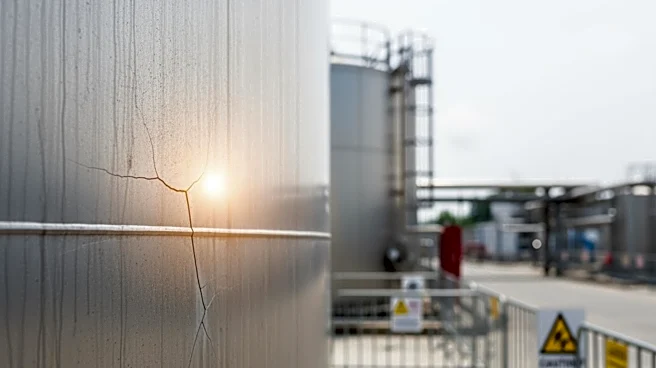
officials discovered a potential crack in the tank, which may be alleviating some of the pressure, reducing the likelihood of a catastrophic explosion. The crack allows for a controlled leak, which could help manage the pressure and prevent a thermal runaway reaction. Despite this development, the situation remains precarious, and authorities continue to monitor the tank closely. The discovery has provided a glimmer of hope for the evacuated residents, although they have not yet been allowed to return to their homes.
Why It's Important?
The potential explosion of the chemical tank poses significant risks to the surrounding community, including severe structural damage to homes and businesses within a 1,100-foot radius. The discovery of the crack is crucial as it may prevent a large-scale disaster, safeguarding both lives and property. The incident highlights the importance of safety protocols in industrial settings, particularly those involving hazardous materials. The response to this crisis involves coordination between local authorities, federal lawmakers, and experts, underscoring the need for robust emergency management systems. The situation also raises concerns about the environmental and health impacts of chemical leaks, emphasizing the need for stringent regulatory oversight in the aerospace and chemical industries.
What's Next?
Authorities are working to stabilize the situation by cooling the tank to slow the chemical reaction and reduce pressure buildup. Federal lawmakers have requested a disaster declaration to secure additional resources for managing the crisis. The ongoing efforts aim to ensure the safety of the evacuated residents and prevent further escalation. Legal actions have been initiated by affected residents, seeking accountability and compensation for the disruption and potential health risks. The resolution of this crisis will likely involve continued monitoring and potential policy changes to prevent similar incidents in the future.