







What's Happening?
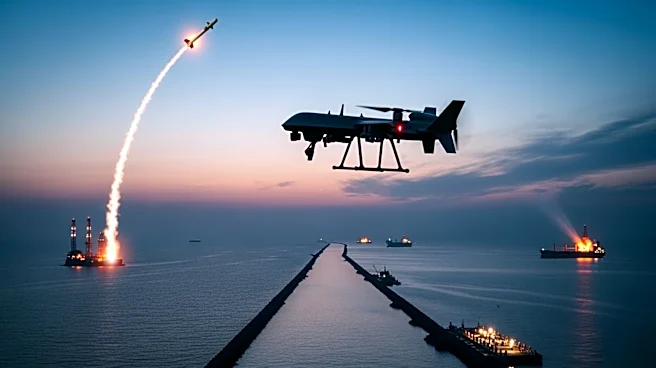
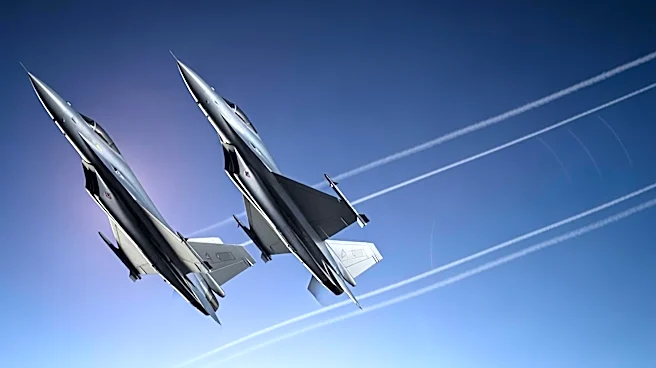
The US-Israeli combined force has achieved significant operational and strategic successes against Iran's ballistic missile program. The campaign, based on US air warfare theory and doctrine, involved striking a wide range of missile facilities across
Iran, disrupting operations and degrading capabilities. The effort prevented Iran from executing its missile campaign objectives and degraded its ability to reconstitute and improve its missile capabilities. The campaign focused on qualitative effects, such as disrupting the enemy force and preventing it from achieving its objectives, rather than solely on quantitative measures like the number of missiles destroyed.
Why It's Important?
The campaign's success in disrupting Iran's missile operations is crucial for regional stability and security. By preventing Iran from massing and sustaining missile fire, the US-Israeli force has reduced the threat posed by Iranian missiles to the US and its allies. The strategic success of destroying much of Iran's missile production and knowledge bases further weakens Iran's long-term missile capabilities. This campaign highlights the effectiveness of US air warfare doctrine and the importance of strategic planning in military operations.
What's Next?
While the campaign has achieved significant successes, the long-term impact will depend on Iran's ability to rebuild its missile capabilities. The ceasefire may allow Iran to recover some operational capabilities, but the extensive damage to its missile infrastructure suggests a prolonged recovery period. The US and Israel will need to continue monitoring and potentially targeting Iran's missile program to prevent reconstitution. The outcome of the campaign will also influence future US-Israeli military cooperation and regional security strategies.