






What's Happening?
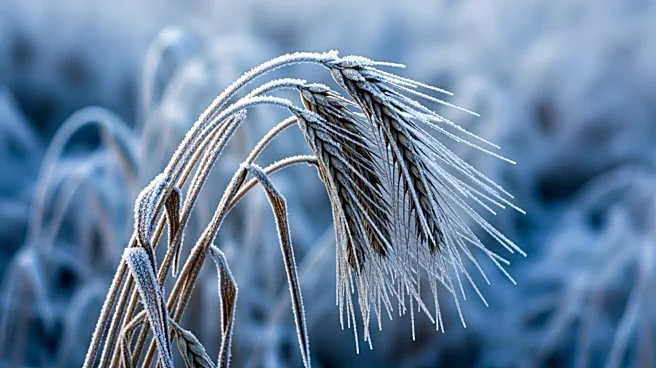
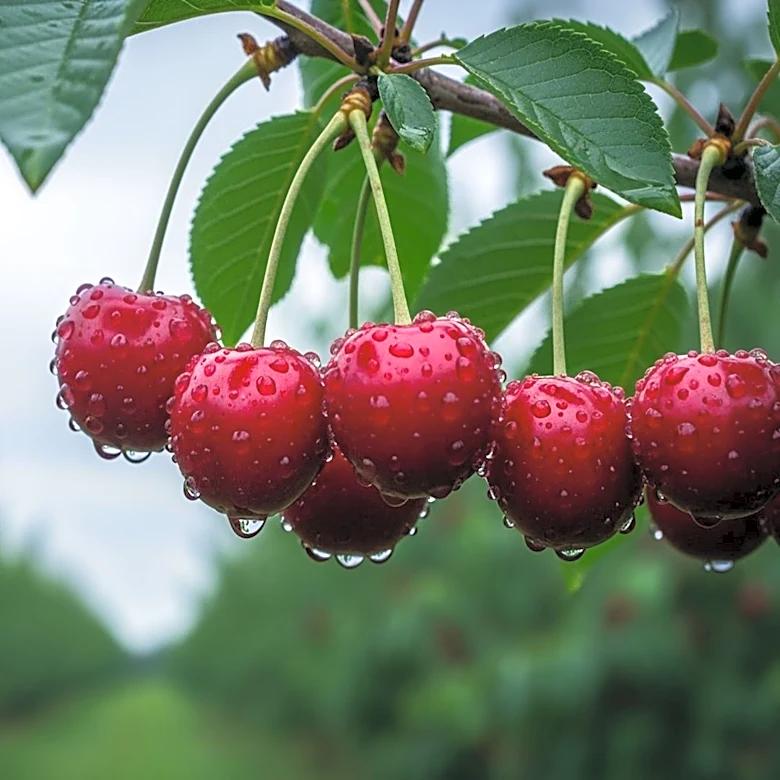
State officials in Pennsylvania are calling for federal disaster assistance after a severe freeze in April caused significant damage to the state's fruit crops. The freeze, which occurred after several weeks of warm weather, affected a variety of fruit operations
including peaches, cherries, apricots, pears, strawberries, grapes, and apples. The economic losses for Pennsylvania's special crop industry are estimated to be between $150 million and $200 million. Governor Josh Shapiro emphasized the importance of agriculture to the state's economy and the need for urgent federal support. The freeze has led to near-total losses for some farms, such as Cherry Hill Orchards in Lancaster County, which does not expect any revenue until the fall of 2027. The state is also working with Penn State Extension to assess the damage and support farmers in filing crop insurance claims.
Why It's Important?
The freeze has jeopardized the livelihoods of many farmers in Pennsylvania, threatening the stability of family farms and the local economies that depend on them. The damage extends beyond the immediate loss of crops, affecting farm markets, processors, packagers, and the families who rely on agriculture for their income. The call for federal aid highlights the vulnerability of the agricultural sector to extreme weather events and the need for support mechanisms to help farmers recover. The situation underscores the broader challenges faced by the agricultural industry, including rising costs of diesel fuel and fertilizer due to international conflicts, which further strain farmers' resources.
What's Next?
Governor Shapiro has requested a federal disaster designation from U.S. Secretary of Agriculture Brooke Rollins, which would enable access to federal assistance. The state is also exploring long-term solutions through the Agricultural Innovation Grant Program to help farmers prepare for severe weather. Lawmakers are expected to work on legislation to support affected farmers, and there is a push for Pennsylvanians to support local farmers by purchasing their produce. The state is committed to providing resources and information to help farmers manage the crisis and plan for the future.