
What's Happening?
Actress Mariska Hargitay, at three years old, survived a tragic 1967 car accident that killed her mother, Jayne Mansfield, and two other adults. The incident, which occurred when their car underran a tractor-trailer,
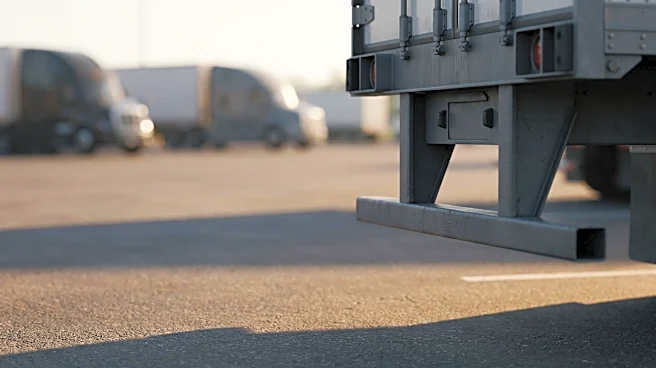
was a pivotal moment in automotive safety history. The severe nature of the crash, where the car's roof was peeled back, led to public outcry and ultimately prompted the National Highway Traffic Safety Administration (NHTSA) to mandate underride guards on semi-trailers. These safety devices, colloquially known as 'Mansfield Bars,' are designed to prevent cars from sliding underneath trucks in rear-end collisions, a design flaw that proved fatal in the 1967 accident.
Why It's Important?
This event is profoundly important as it directly led to a significant federal safety regulation that has saved countless lives on U.S. highways. The 'Mansfield Bar' is a direct legacy of the tragedy, transforming a personal loss into a universal safety standard. It highlights how high-profile incidents can catalyze legislative change and public awareness regarding critical safety issues. For the automotive and trucking industries, it represented a mandatory shift in design and manufacturing, emphasizing the responsibility to protect passenger vehicle occupants. The story underscores the ongoing evolution of road safety, demonstrating that many standard features today are the result of lessons learned from past tragedies.
What's Next?
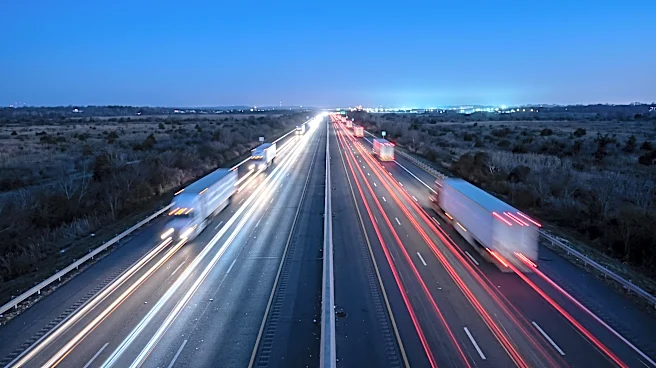
The 'Mansfield Bar' remains a mandatory safety feature on semi-trailers, continually subject to rigorous testing and evolving regulations to meet modern safety standards. While the immediate 'next' step for this historical event has long passed, its legacy continues to influence discussions on road safety, particularly regarding underride crashes. Safety advocates continue to push for improvements, such as addressing side-underride accidents, which remain a concern. The story serves as a perpetual reminder for drivers to maintain safe following distances and be aware of large trucks' blind spots, reinforcing the importance of vigilance on the road.
Beyond the Headlines
Beyond the immediate safety implications, the 1967 accident and Mariska Hargitay's survival delve into the deeper human experience of trauma, resilience, and the enduring impact of public tragedy. The 'decapitation' myth surrounding Jayne Mansfield's death, fueled by sensationalism, highlights the role of media in shaping public perception versus forensic reality. Hargitay's 'zigzag scar' serves as a permanent physical reminder, symbolizing the personal cost behind a major public safety reform. This narrative explores how a single, devastating event can trigger a ripple effect, influencing not only policy and industry but also the collective consciousness regarding safety, risk, and the fragility of life.