





What's Happening?
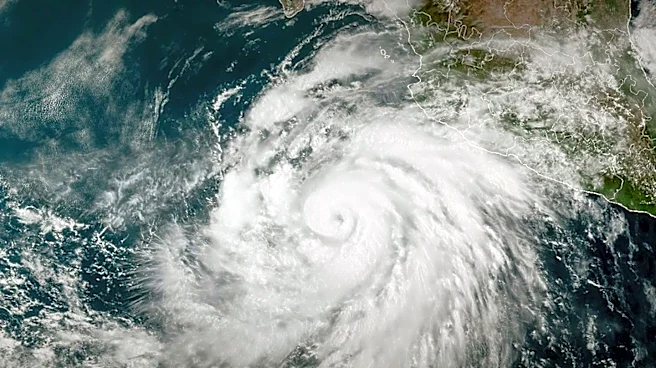
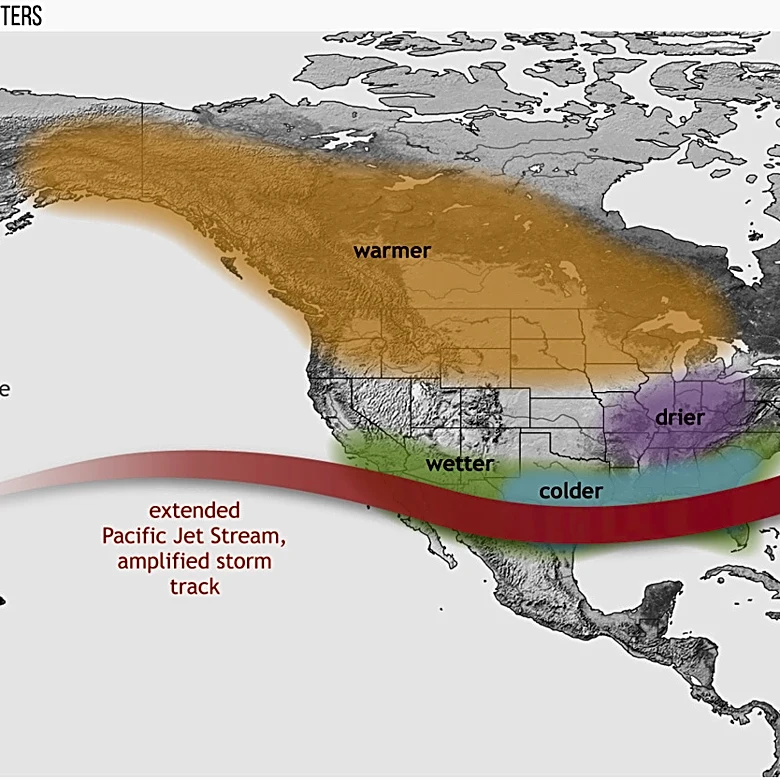
The current El Niño weather pattern is strengthening, projected to be the most powerful since record-keeping began 75 years ago. This phenomenon, characterized by above-average sea surface temperatures in the tropical Pacific Ocean, is expected to bring
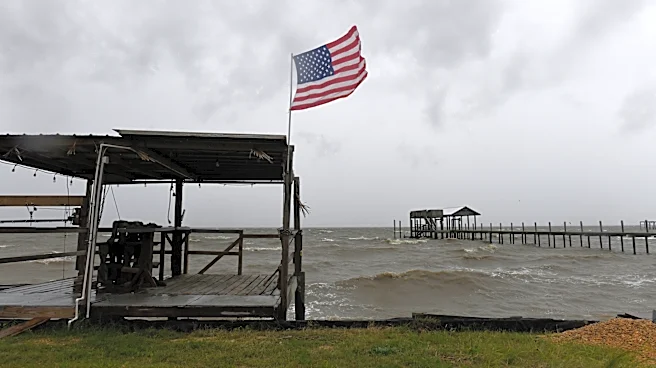
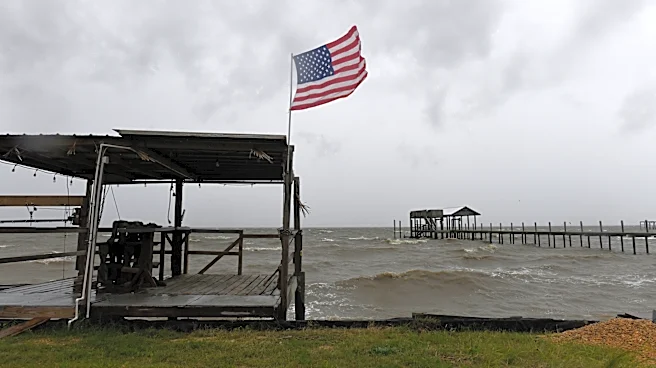
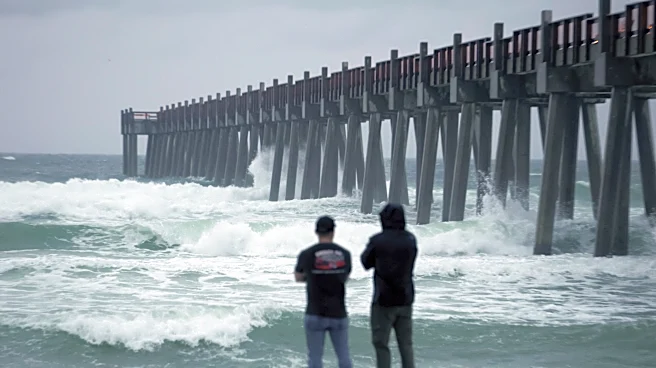
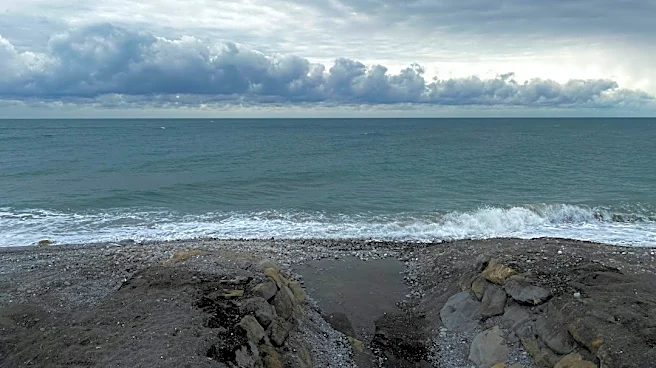
extremely warm air temperatures and potentially drier weather to the Pacific Northwest this winter. Coastal areas, particularly in Washington, are bracing for significant impacts, including increased sea levels and more frequent coastal flooding. Large underwater pulses known as Kelvin waves are contributing to this sea level rise, with coastal engineer George Kaminsky noting that these waves can cause rapid sea level increases of up to a foot within weeks. Cities like Stanwood, Aberdeen, Hoquiam, Tahola on the Quinault Indian Reservation, and parts of Seattle’s South Park are undertaking emergency repairs to levees and sandbagging efforts in preparation for high water events, especially during the King Tides in December. Deputy State Climatologist Karin Bumbaco indicated that areas regularly experiencing winter flooding are likely to see more frequent occurrences this season.
Why It's Important?
The intensifying El Niño poses significant threats to U.S. coastal communities and infrastructure, particularly in the Pacific Northwest and California. The projected increase in sea levels and the potential for more frequent and intense coastal flooding can lead to widespread property damage, displacement of residents, and disruption of local economies. Businesses in affected areas, especially those reliant on coastal tourism or located near vulnerable shorelines, face substantial risks. The need for emergency repairs and protective measures, such as levee reinforcement and sandbagging, highlights the financial burden on state and local governments. Furthermore, the rapid sea level rise caused by Kelvin waves could overwhelm existing coastal defenses, necessitating long-term adaptation strategies and significant investment in resilient infrastructure. The potential for drier weather in some regions, coupled with warmer temperatures, could also exacerbate drought conditions and increase wildfire risks, impacting agriculture and natural resources.
What's Next?
As the record-breaking El Niño continues to strengthen, U.S. coastal cities, particularly in Washington and California, will intensify their preparedness efforts. This includes ongoing emergency repairs to infrastructure like levees and continued sandbagging operations. Residents in vulnerable areas are advised to take proactive measures, such as securing flood insurance and preparing their homes for potential flooding and mudslides. The highest impacts are anticipated during the fall and winter, especially coinciding with high tides like the King Tides in December. State and local agencies will closely monitor weather patterns and sea level changes, potentially issuing further advisories or evacuation orders as conditions evolve. The effectiveness of new nature-based solutions implemented to combat shoreline erosion will also be tested. Long-term, this event may prompt a re-evaluation of coastal development policies and an acceleration of climate adaptation strategies to mitigate future risks from extreme weather events.
Beyond the Headlines
The unprecedented strength of this El Niño underscores the broader implications of climate change and its interaction with natural climate patterns. The rapid sea level rise observed due to Kelvin waves, combined with warmer ocean temperatures, suggests a more complex and intensified impact on coastal environments than previously understood. This event could serve as a critical case study for understanding the combined effects of natural climate variability and long-term climate trends. Ethically, it raises questions about equitable resource allocation for disaster preparedness and recovery, particularly for vulnerable communities like the Quinault Indian Reservation. Legally, it may lead to increased litigation related to property damage and insurance claims, potentially reshaping insurance policies and governmental disaster relief frameworks. Culturally, the repeated exposure to extreme weather events could foster a greater sense of urgency and collective action towards climate resilience, influencing community planning and individual behaviors in the long run.