





What's Happening?
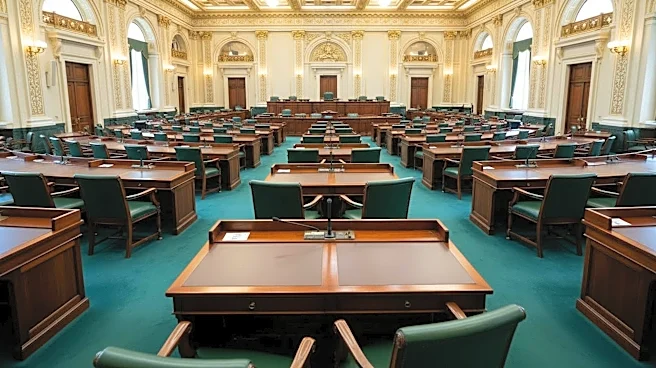
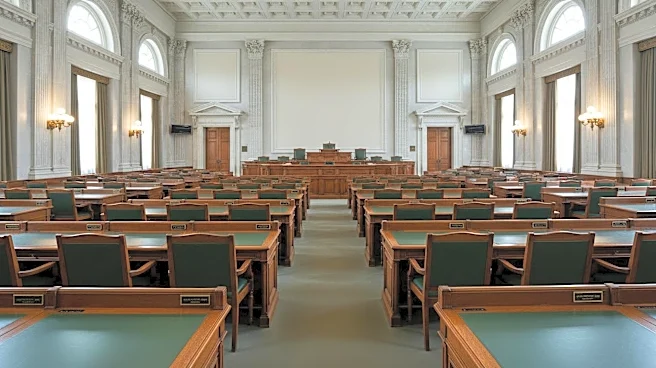
Pennsylvania State Representative Eric Davanzo, a Republican, was removed from the floor of the state's House of Representatives for wearing an American flag-themed suit jacket. The incident occurred ahead of the United States' 250th birthday celebration.
Speaker Joanna McClinton ruled that Davanzo's attire violated House rules, labeling it a 'costume.' Davanzo, representing Pennsylvania's 58th district, wore a red and white-striped jacket with a star-themed tie, which he stated was a symbol of patriotism. Despite the Speaker's decision, Davanzo received support from some colleagues, including Democratic Representative Jordan Harris, who acknowledged the suit's patriotic nature. Davanzo expressed his disappointment on social media, emphasizing his pride in wearing the suit and his commitment to patriotism.
Why It's Important?
The incident highlights ongoing tensions in political environments regarding expressions of patriotism and adherence to formal dress codes. Davanzo's removal underscores the challenges lawmakers face in balancing personal expression with institutional rules. This event may influence public perception of political decorum and the prioritization of symbolic gestures over legislative responsibilities. The removal also coincides with broader political dynamics, as the Pennsylvania House struggles with budgetary issues, reflecting potential distractions from critical governance tasks. The situation may affect voter sentiment, particularly among constituents who value patriotic displays, potentially impacting future elections.
What's Next?
Davanzo is set to face Cherri Rogers in the upcoming November election for the 58th District. The incident may become a focal point in his campaign, as he positions himself as a defender of patriotic values. The Pennsylvania House may also revisit its dress code policies to address similar situations in the future. Additionally, the broader political discourse may see increased debates over the role of personal expression in legislative settings, potentially influencing policy discussions and public engagement.