




What's Happening?
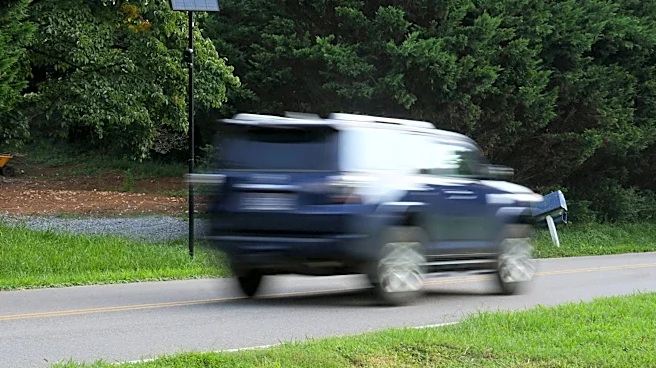
A new database released by the Institute for Justice (IJ) documents over 100 cases of alleged misuse of Flock Safety's automated license plate readers (ALPRs) by law enforcement officers. The database highlights instances of romantic stalking, wrongful
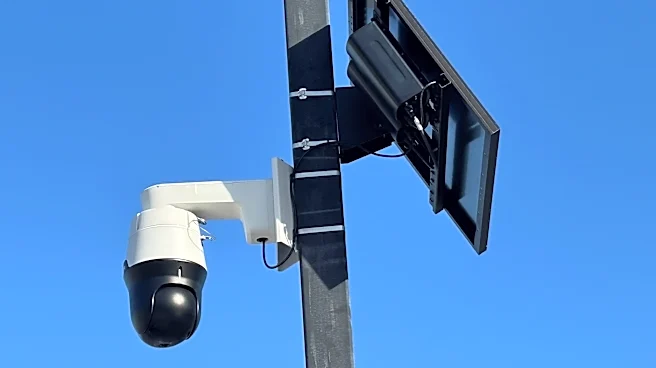
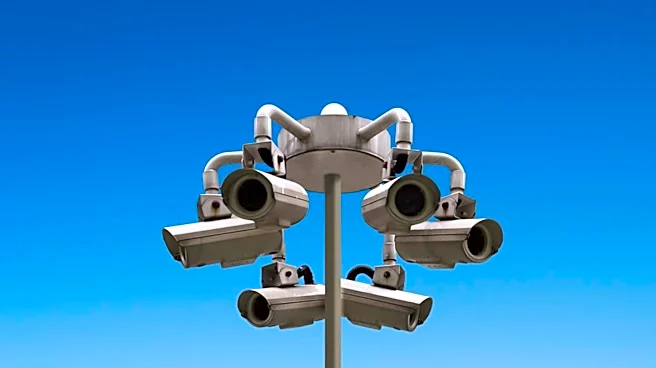
stops, and non-law enforcement use of these surveillance tools. Originally marketed as a means to catch car thieves and locate missing persons, ALPRs have expanded into a broader surveillance network, capturing the movements of all drivers, regardless of criminal suspicion. The database includes cases such as a Florida deputy using ALPRs to track a woman after a TV shoot and a Texas deputy searching thousands of cameras to locate a woman who had a medication abortion. The report suggests that these documented cases may only represent a fraction of the actual misuse, as officers often provide vague justifications for their searches.
Why It's Important?
The misuse of ALPRs raises significant privacy and civil liberties concerns, as these systems can track individuals' movements without a warrant, potentially infringing on Fourth Amendment rights. The widespread deployment of these cameras has led to a growing public backlash, with numerous communities canceling contracts with Flock Safety. The surveillance capabilities of ALPRs pose a threat to personal freedoms, as they allow for the reconstruction of individuals' daily activities, potentially leading to abuses of power by law enforcement. The issue transcends political lines, with bipartisan concern over the implications of mass surveillance on American citizens.
What's Next?
As public concern over ALPR misuse grows, more communities may choose to terminate contracts with Flock Safety. Legal challenges and calls for stricter regulations on the use of surveillance technology by law enforcement are likely to increase. Policymakers and civil rights organizations may push for greater transparency and accountability in the deployment and use of ALPRs to protect citizens' privacy rights.