

What's Happening?
The city of Adana in Turkey is facing significant environmental challenges due to plastic waste imports from the UK and EU. Adana, divided socioeconomically, sees its poorer southern region burdened with recycling facilities that contribute to pollution.
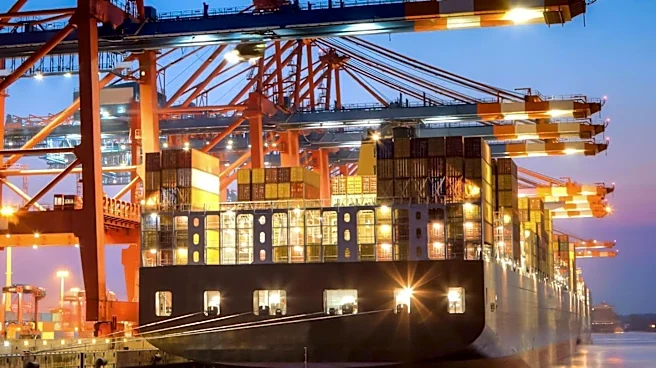
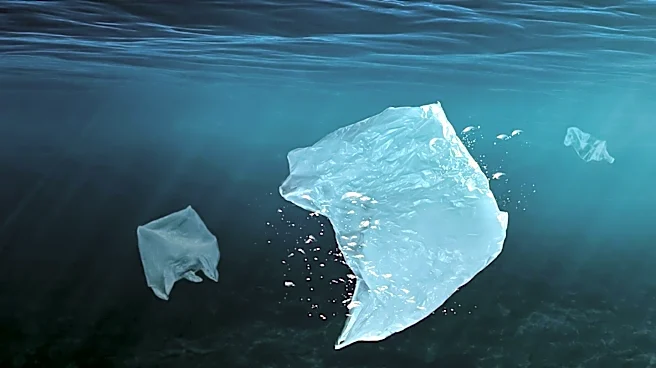
The UK and EU are major exporters of plastic waste to Turkey, with recent data showing high levels of microplastics in local irrigation canals. This situation has sparked protests from local residents and environmental groups, who demand a ban on plastic waste imports. The EU has imposed stricter controls on plastic exports, but the UK is criticized for lagging behind.
Why It's Important?
The issue of plastic waste exports highlights the broader problem of 'waste colonialism,' where wealthier nations offload their waste management challenges onto poorer countries. This practice not only exacerbates environmental degradation in recipient countries but also raises ethical concerns about global waste management practices. The pollution in Adana affects local agriculture and public health, illustrating the real-world impacts of international waste trade. The situation calls for stronger regulatory measures and a shift towards sustainable waste management practices to protect vulnerable communities.
What's Next?
With the EU implementing stricter controls on plastic waste exports, there is pressure on the UK to follow suit and take responsibility for its waste. Environmental groups advocate for a complete ban on plastic waste exports to prevent further environmental harm. The UK government may need to enhance domestic recycling capabilities and promote a circular economy to reduce reliance on exports. International cooperation and policy alignment will be crucial in addressing the global plastic waste crisis and ensuring environmentally sound waste management practices.