







What's Happening?
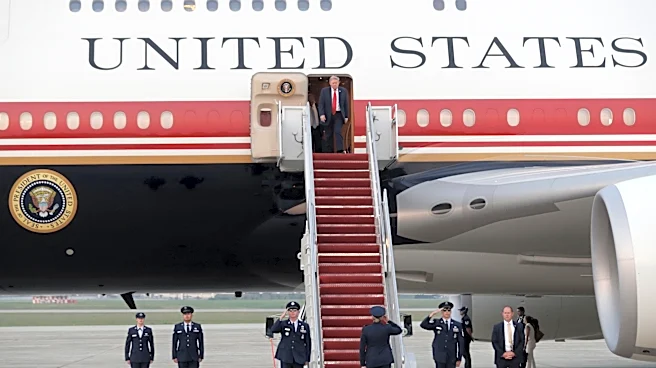
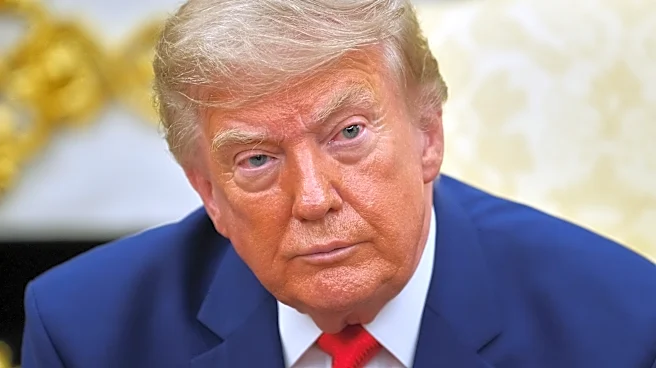
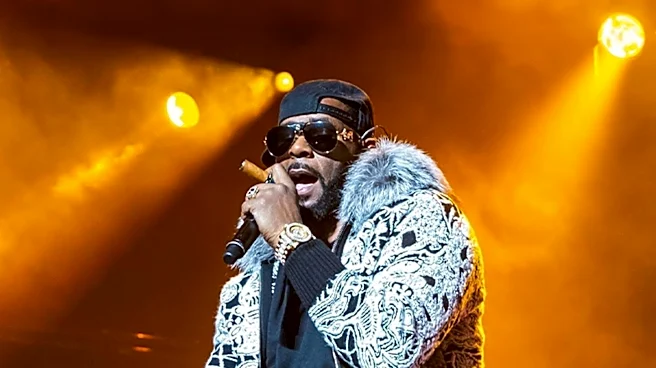
R. Kelly has formally requested President Trump to commute his 30-year sentence for sexually exploiting children. This request, made public by the Office of the Pardon Attorney, is currently pending and does not seek a full pardon. Kelly's attorney, Beau
Brindley, has been actively lobbying for this commutation, citing alleged misconduct by federal officials, including a purported assassination plot against Kelly. The singer, convicted in 2021 for racketeering and sex trafficking, is serving his sentence in North Carolina. His legal team claims that prison officials have violated attorney-client privilege and have endangered his life, leading to an emergency motion for his release, which was denied by a federal judge.
Why It's Important?
The request for commutation highlights ongoing debates about the criminal justice system and the use of presidential clemency. If granted, it could set a precedent for high-profile cases involving allegations of misconduct by federal authorities. The case also underscores the complexities of legal battles faced by public figures and the potential influence of political connections in seeking clemency. For President Trump, this decision could impact his public image and political standing, especially given the controversial nature of Kelly's convictions.
What's Next?
The clemency request is under review, and its outcome could influence future legal strategies for Kelly and similar cases. If denied, Kelly will continue serving his sentence, with a potential release in 2045. The case may also prompt further scrutiny of the Bureau of Prisons and its handling of high-profile inmates. Additionally, the legal team may continue to seek alternative legal remedies, including appeals or new trials, to challenge the convictions.