




What's Happening?
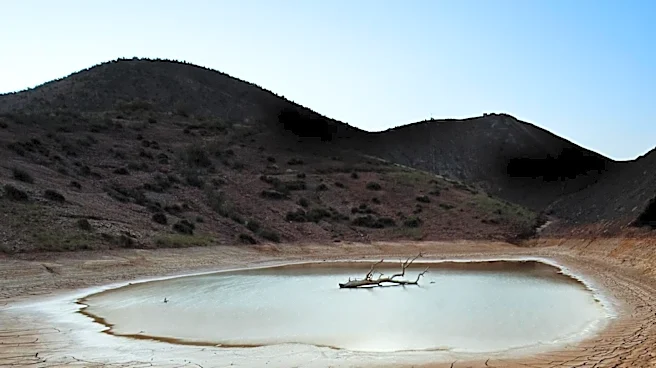
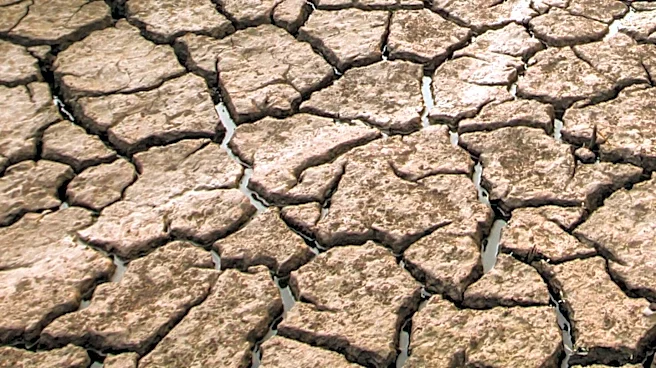
Recent rainfall has alleviated drought conditions in parts of Georgia, reducing the risk of wildfires, according to Thomas Barrett, forest protection chief with the Georgia Forestry Commission. Despite these improvements, some areas, particularly in southeastern
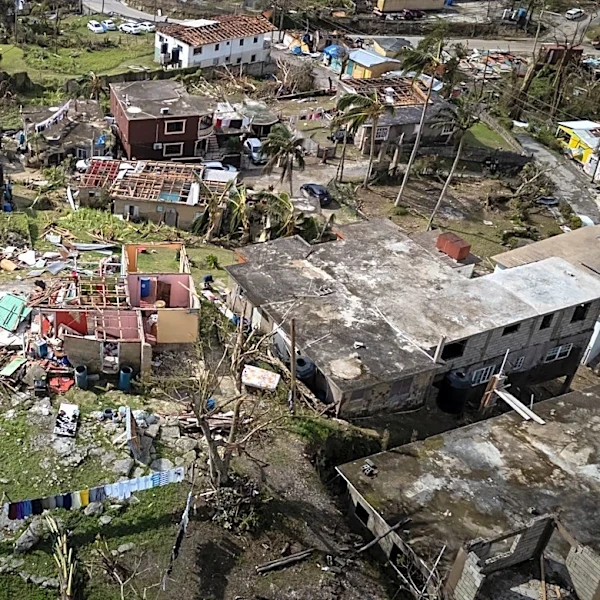
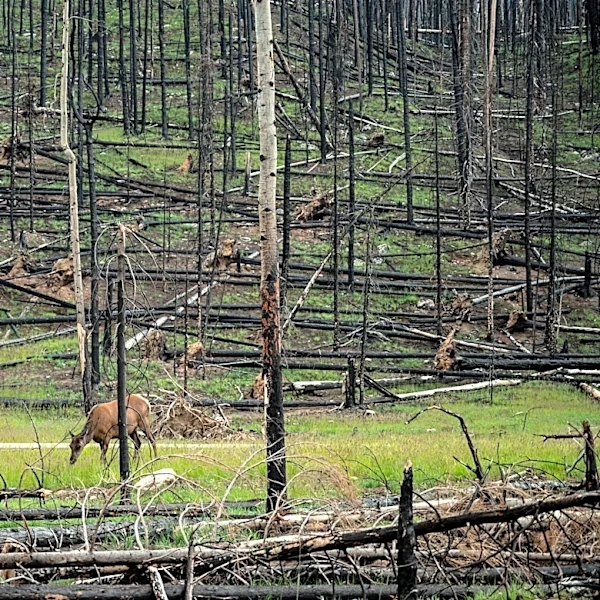
Georgia, continue to experience severe drought conditions. The U.S. Drought Monitor categorizes these conditions from D0, Abnormally Dry, to D2, Severe Drought. The state has been tracking these conditions, noting that while the potential for wildfires has decreased, the risk remains due to debris from Hurricane Helene, which acts as fuel on the forest floor. Barrett emphasized that the situation could quickly deteriorate with high temperatures and a lack of rain, as the atmosphere's increasing demand for water, driven by climate change, continues to influence drought patterns.
Why It's Important?
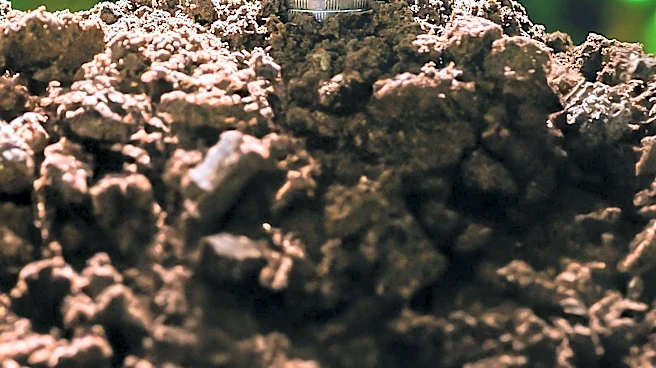
The improvement in drought conditions is significant for Georgia's agricultural sector, which has been under stress due to low soil moisture and delayed planting. However, the persistent drought in some areas poses ongoing challenges for water security and ecosystem health. The situation underscores the broader impacts of climate change, as rising temperatures increase evaporation rates, exacerbating drought conditions. This has implications for wildfire management and agricultural productivity, affecting local economies and communities dependent on these sectors. The ongoing risk highlights the need for effective water management strategies and climate adaptation measures to mitigate future impacts.
What's Next?
The Georgia Forestry Commission will continue to monitor drought conditions and issue updates as necessary. With the potential for conditions to worsen quickly, stakeholders, including farmers and local governments, may need to prepare for possible drought-related challenges. Efforts to clean up debris from Hurricane Helene will be crucial in reducing wildfire risks. Additionally, the state may need to consider long-term strategies to address the impacts of climate change on water resources and agricultural practices.