




What's Happening?
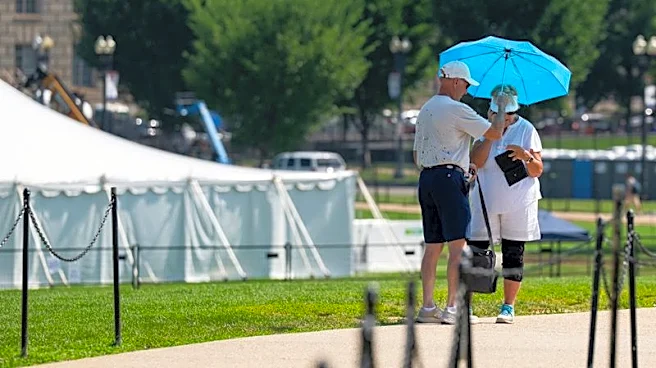
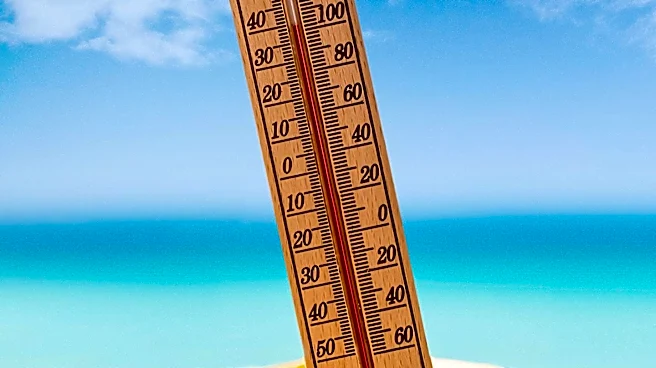
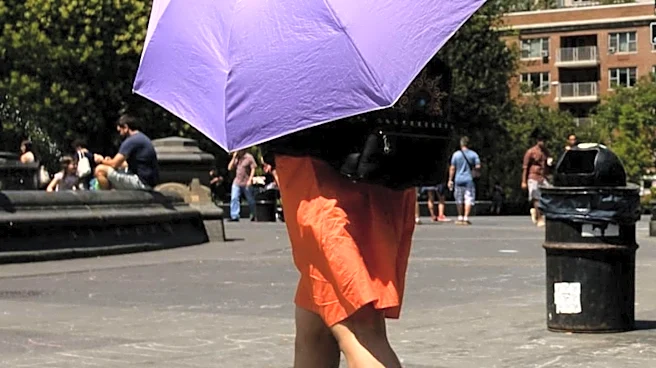
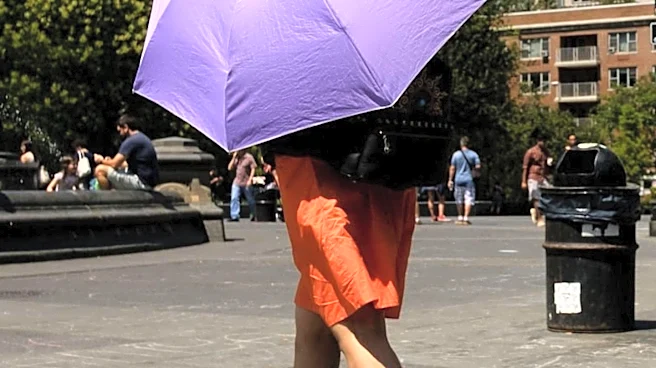
A severe heat wave is impacting over 180 million people across 28 states in the U.S., leading to changes in planned Fourth of July celebrations. The extreme temperatures have prompted warnings and adjustments to events, particularly in areas like New
York City, where beachgoers are being cautioned about potential shark sightings following an incident where a swimmer was bitten. Additionally, a skydiver crashed into a crowd during a rodeo in Northern California, highlighting the unusual incidents occurring amidst the holiday preparations. The heat wave is part of a broader pattern of extreme weather affecting the country, with significant implications for public safety and event planning.
Why It's Important?
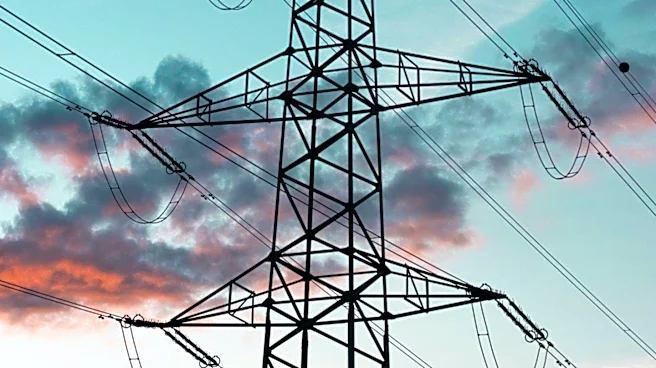
The heat wave underscores the growing challenges posed by extreme weather events, which are becoming more frequent and severe. This situation affects public health, as high temperatures can lead to heat-related illnesses and fatalities, particularly among vulnerable populations. The disruptions to holiday events also have economic implications, affecting tourism and local businesses that rely on holiday traffic. Moreover, the increased frequency of such weather patterns raises questions about infrastructure resilience and the need for adaptive measures to protect communities and economies from climate-related disruptions.
What's Next?
Authorities are likely to continue monitoring the situation closely, issuing advisories and making necessary adjustments to public events to ensure safety. There may be increased calls for investment in infrastructure that can withstand extreme weather conditions, as well as discussions on climate policy to address the root causes of such events. Public health campaigns may also be intensified to educate the public on how to stay safe during extreme heat conditions.