


What's Happening?
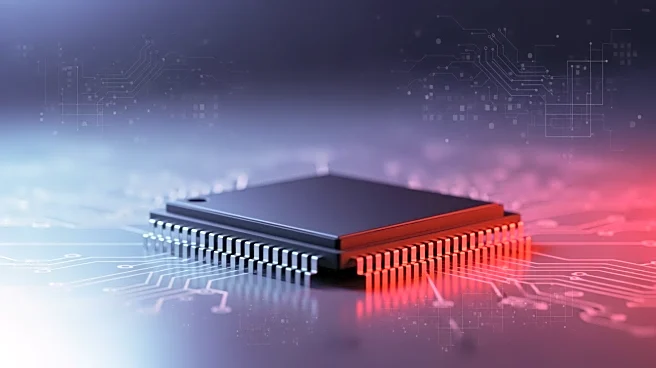
Senator Elizabeth Warren has criticized President Trump's decision to allow Nvidia to sell its advanced H200 artificial intelligence chips to China, arguing that it compromises U.S. national security. The decision permits Nvidia to sell these chips to approved
Chinese customers, with the U.S. receiving a 25% cut of the revenues. Warren's remarks, delivered on the Senate floor, highlight concerns about maintaining America's technological leadership and national security. She has called for Nvidia CEO Jensen Huang and Commerce Secretary Howard Lutnick to testify before Congress regarding the agreement. The decision has sparked debate among lawmakers, with some Republicans also expressing concerns about the potential impact on America's hardware advantage over China.
Why It's Important?
The sale of advanced AI chips to China raises significant national security concerns, as it could enhance China's technological capabilities and competitiveness. This decision comes amid ongoing tensions between the U.S. and China over technology and trade. For U.S. semiconductor companies, the ability to sell to China represents a substantial market opportunity, but it also poses risks to national security. The debate highlights the challenges of balancing economic interests with security considerations. The outcome of this situation could influence future U.S. policies on technology exports and impact the global semiconductor industry.
What's Next?
The controversy surrounding the Nvidia chip sales is likely to lead to further legislative action. Senator Warren has urged Congress to pass bipartisan legislation imposing new export restrictions on chips, which could affect U.S. chipmakers' competitiveness. The decision may also prompt increased scrutiny of technology agreements with foreign nations. As the U.S. seeks to maintain its technological edge, policymakers will need to carefully consider the implications of such deals on national security and economic interests. The response from Congress and the administration will be closely watched by industry stakeholders and international partners.