





What's Happening?
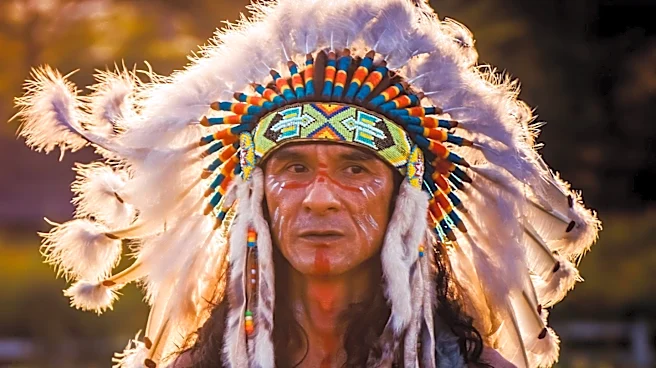
Amazonian Shamans are traditional healers and spiritual practitioners deeply embedded in the Indigenous communities of the Amazon rainforest. The term 'shaman' is broadly used, but Indigenous peoples often have their own specific terms for these figures,
whose roles, beliefs, ceremonies, and knowledge systems vary significantly across different communities and regions. These traditions are intrinsically linked to a comprehensive understanding of health, nature, community, ancestry, and the relationship between humans and the living world. Traditional healers possess extensive knowledge of local plants, healing practices, rituals, and cultural traditions, extending their influence beyond physical ailments to encompass spiritual, emotional, and social aspects of community life. This knowledge is typically passed down through generations via observation, guidance from experienced practitioners, and participation in community traditions, forming a crucial part of Indigenous cultural heritage. Travelers are advised to approach these traditions with respect, recognizing their depth and avoiding assumptions that commercial tourist settings represent the full scope of a community's knowledge or beliefs.
Why It's Important?
The understanding and respectful engagement with Amazonian shamanic traditions are vital for several reasons. Firstly, these practices represent a rich and diverse cultural heritage, offering profound insights into alternative worldviews where health and well-being are understood through interconnected relationships with the environment. This perspective contrasts sharply with Western medical models and highlights the importance of holistic approaches to health. Secondly, the extensive knowledge of medicinal plants held by these traditional healers is a significant resource, with many plants like Uña de Gato, Sangre de Grado, and Copaiba having recognized traditional uses for various ailments. This traditional botanical knowledge could hold keys to future medical advancements, making its preservation and respectful study crucial. Lastly, the rise of cultural tourism in the Amazon necessitates a responsible approach to prevent cultural appropriation and ensure that Indigenous communities benefit meaningfully from interactions, rather than having their sacred practices commodified or misrepresented. Respecting these traditions helps maintain the integrity of Indigenous cultures and their invaluable contributions to global knowledge.
What's Next?
For travelers and researchers interested in Amazonian shamanic traditions, the next steps involve prioritizing responsible engagement and cultural understanding. This includes researching the specific Indigenous community and its traditions before visiting, asking for permission before taking photographs, and strictly adhering to local guidelines and customs. It is crucial to choose tourism operators who clearly explain how local communities benefit and who avoid sensationalizing or making exaggerated claims about supernatural abilities. Future interactions should focus on learning about different worldviews and understanding the deep-seated relationships Indigenous communities have with their environment, rather than seeking predetermined mystical experiences or guaranteed healing. Continued efforts to recognize and protect the cultural heritage associated with practices like ayahuasca, which has been declared Cultural Heritage of the Nation in Peru, will be essential. This approach ensures that these traditions are preserved and respected for their intrinsic value and the profound knowledge they embody.
Beyond the Headlines
The broader implications of Amazonian shamanic traditions extend to ethical considerations surrounding intellectual property and bioprospecting. The extensive knowledge of medicinal plants held by Indigenous communities represents a vast, often uncompensated, resource for pharmaceutical companies. There is a critical need for equitable benefit-sharing mechanisms that acknowledge and reward Indigenous contributions to traditional medicine. Furthermore, the spiritual and ecological dimensions of shamanic practices highlight a worldview where humans are deeply integrated with nature, offering a powerful counter-narrative to anthropocentric perspectives that often drive environmental degradation. This holistic understanding can inform global efforts in conservation and sustainable living. The challenge of translating complex Indigenous concepts into Western frameworks also underscores the limitations of universalizing terms like 'shaman' and emphasizes the importance of recognizing the unique linguistic and cultural nuances of each community. Ultimately, these traditions call for a re-evaluation of knowledge systems, promoting humility and respect for diverse ways of knowing and interacting with the world.