







What's Happening?
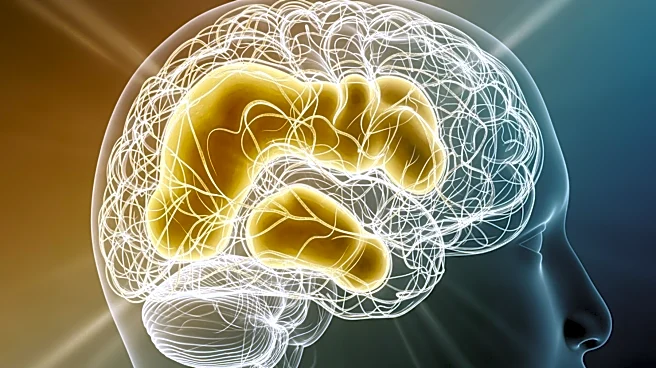
A study published in the journal Neuron reveals that exercise not only strengthens muscles but also reshapes brain activity to improve endurance. Researchers at the University of Pennsylvania found that repeated exercise increases activity in the ventromedial
hypothalamus (VMH), a brain region that regulates energy and body weight. This activity continues for an hour post-exercise, aiding in endurance improvements. The study involved mice running on treadmills, showing increased endurance and brain activity over two weeks. Blocking specific neurons in the VMH hindered endurance gains, suggesting that post-exercise brain activity is crucial for adaptation.
Why It's Important?
This research underscores the brain's significant role in physical training, potentially leading to new methods for enhancing athletic performance and recovery. Understanding how exercise affects brain function could benefit older adults and those recovering from injuries by promoting more efficient recovery processes. The findings may also encourage more people to engage in regular exercise by highlighting cognitive benefits, potentially leading to improved public health outcomes.
What's Next?
Future research may focus on translating these findings into practical applications for humans, such as developing targeted exercise programs that maximize both physical and cognitive benefits. There is potential for creating interventions that help maintain activity levels in aging populations or those with mobility challenges, ultimately improving quality of life and reducing healthcare costs.