



What's Happening?
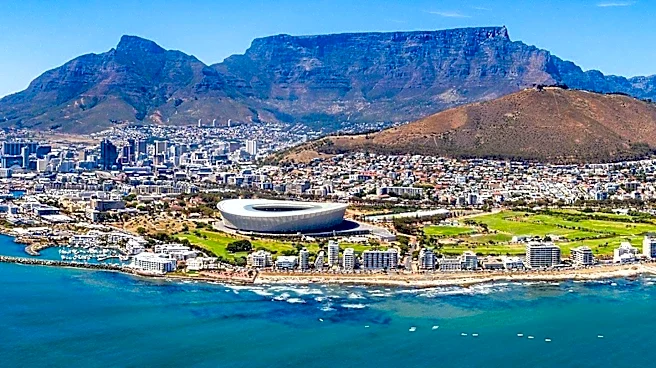
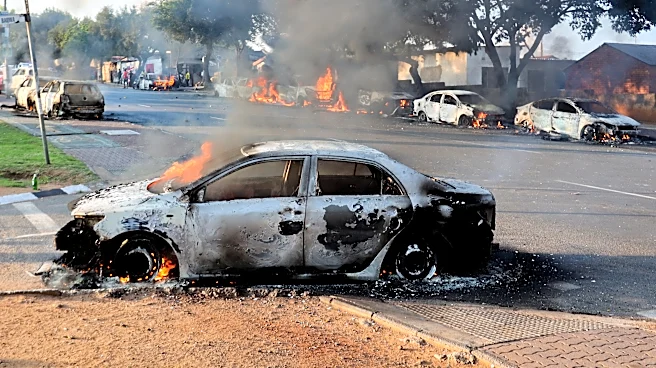
The Ghana High Commission in Pretoria has issued a security advisory urging Ghanaian citizens residing in Johannesburg and Durban, South Africa, to exercise extreme caution and limit non-essential travel. This advisory comes in response to reports of
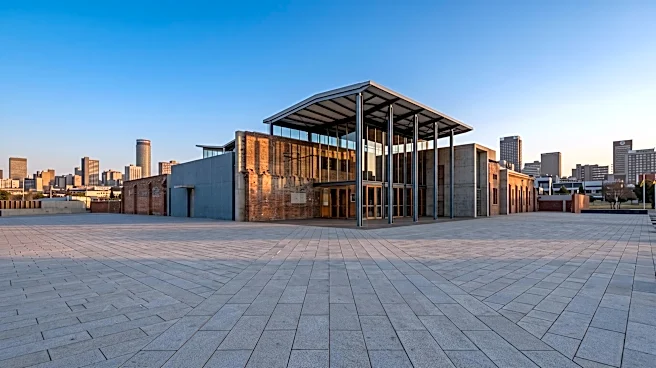
ongoing protests in the central business districts of both cities. According to The Ghana Report, demonstrations have been observed, with protesters in Johannesburg specifically expected to gather at the Constitutional Court. The High Commission has highlighted that these protests could lead to significant disruptions, including traffic congestion, road closures, and restrictions on movement. There is also a potential for clashes between demonstrators and law enforcement officials, posing a risk to public safety. Ghanaians are advised to avoid protest sites and large gatherings, and to seek alternative routes if travel is necessary. The mission also stressed the importance of staying informed through local media, traffic updates, and security alerts from the South African Police Service and municipal authorities.
Why It's Important?
This advisory is important as it underscores the potential risks faced by foreign nationals during periods of civil unrest in host countries. For Ghanaians in Johannesburg and Durban, the protests could disrupt daily life, including access to work, essential services, and transportation. The potential for traffic congestion and road closures could lead to economic losses for individuals and businesses, particularly those reliant on timely movement of goods and people. Furthermore, the risk of clashes between protesters and law enforcement raises significant safety concerns, potentially leading to injuries or detentions for those inadvertently caught in the unrest. The High Commission's guidance aims to mitigate these risks, emphasizing the responsibility of diplomatic missions to protect their citizens abroad and provide timely, actionable safety information. This situation also highlights the broader implications of social and political instability on international communities and diplomatic relations.
What's Next?
Ghanaians in Johannesburg and Durban are advised to continue monitoring local media and official security updates from the South African Police Service and relevant municipal authorities. The Ghana High Commission will likely continue to assess the situation and issue further advisories as needed. Nationals are encouraged to maintain communication with family members and community leaders and to report any incidents involving threats, intimidation, or violence to the nearest police station. The mission has also requested that Ghanaians requiring consular support notify them of any security-related incidents. The immediate future will depend on the trajectory of the protests, including whether they escalate, dissipate, or lead to further government intervention. The long-term impact could include a review of safety protocols for foreign nationals and potentially affect travel advisories issued by other countries for South Africa.
Beyond the Headlines
The situation in Johannesburg and Durban extends beyond immediate safety concerns, touching upon the broader challenges of social and political stability in South Africa. Such protests, while specific in their immediate triggers, often reflect underlying socio-economic grievances that can impact various segments of the population, including foreign residents. For the Ghanaian community, this event could foster a stronger sense of community solidarity and reliance on diplomatic channels for support. It also brings to light the complexities faced by diplomatic missions in balancing the need to inform and protect their citizens without interfering in the internal affairs of the host nation. The incident may also prompt a re-evaluation of risk assessments for international businesses and individuals considering operations or residency in regions prone to civil unrest, potentially influencing investment and migration patterns in the long run.