



What's Happening?
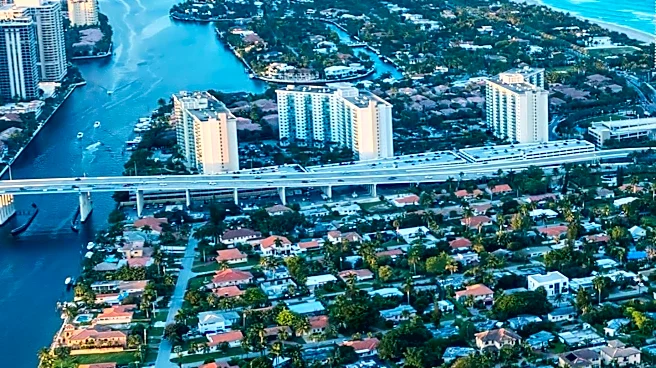
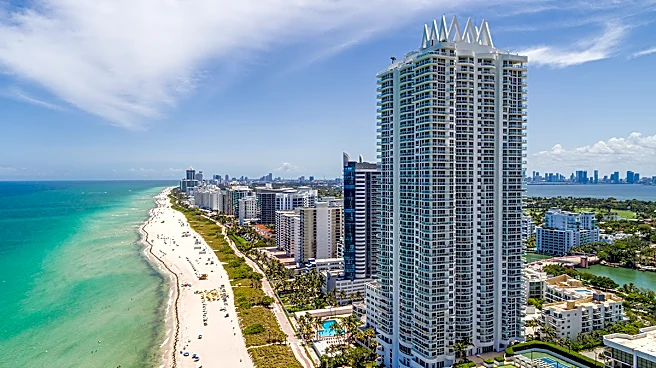
South Florida has overtaken the New York metropolitan area in terms of overall cost of living, now ranking as the second most expensive region in the United States, according to the Bureau of Economic Analysis. The Miami-Fort Lauderdale-West Palm Beach
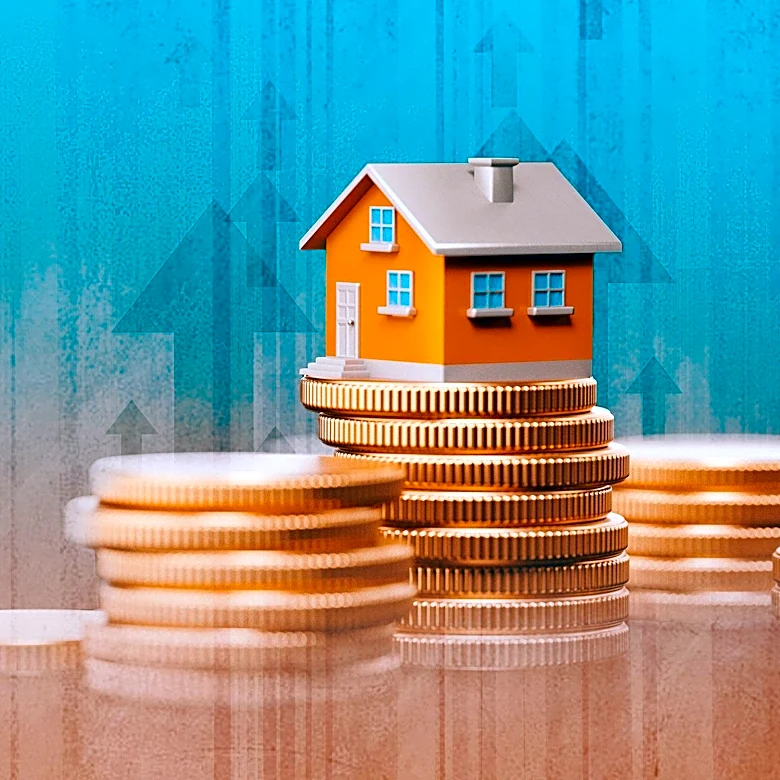
metro area has seen housing costs soar to 55.6% above the national average, surpassing New York's 48.6%. This shift marks a significant change in the cost dynamics between these major metropolitan areas. The increase in housing costs is attributed to factors such as property taxes, homeowners association fees, and insurance premiums, particularly in older coastal buildings. Additionally, consumer prices in the region have risen by 3.4% over the past year, with energy and gasoline prices seeing significant hikes.
Why It's Important?
The rising cost of living in South Florida has broad implications for residents and potential newcomers. The increase in housing and everyday expenses could deter new residents and businesses, impacting the region's economic growth. The higher cost of living may also exacerbate the financial strain on current residents, particularly those with stagnant wages. This development highlights the challenges of maintaining affordability in rapidly growing urban areas and could influence future policy decisions regarding housing and taxation. The shift in cost dynamics may also affect migration patterns, as individuals and businesses reassess the financial viability of relocating to South Florida.
What's Next?
As housing costs continue to rise, Florida voters will consider a proposed constitutional amendment in the upcoming November election. This amendment aims to change assessment limits, increase the homestead exemption, and restrict the use of certain property-tax revenues. If approved, these changes could provide some relief to homeowners but may also impact local government services funded by property taxes. The outcome of this vote will be crucial in determining the future affordability and economic landscape of South Florida. Additionally, the ongoing rise in insurance costs and property taxes will remain key issues for residents and policymakers.