





What's Happening?
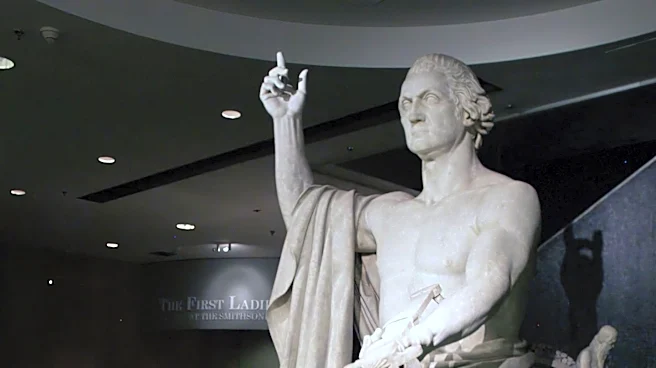
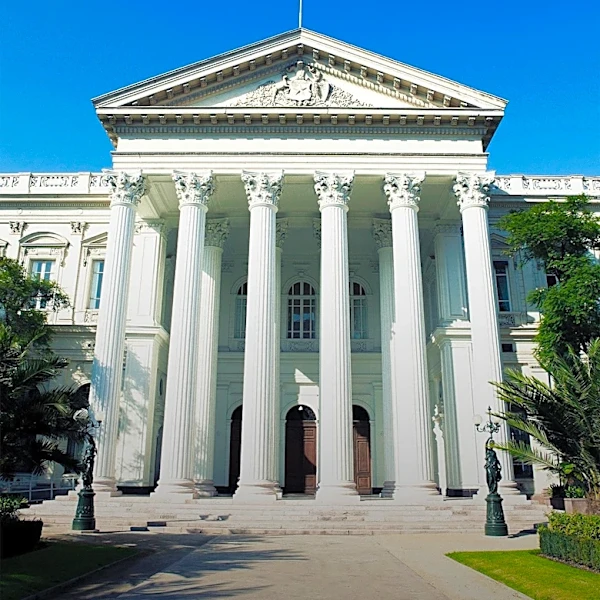
A congressional hearing titled 'Rewriting American History: Examining the Smithsonian’s Efforts to Reshape the Past' was held in response to a report by President Trump's White House Policy Council. The report, 'Saving America’s Story,' accuses the Smithsonian Institution
of promoting a left-wing activist agenda. Anthea Hartig, director of the National Museum of American History, testified before the House Committee on Oversight and Government Reform. The hearing featured intense questioning from Republican members who accused the Smithsonian of ideological bias. Hartig maintained her composure, denying any significant bias and defending the museum's work. The hearing also included testimony from critics like Mike Gonzalez of the Heritage Foundation and Matthew Spalding from Hillsdale College, as well as support from historian David Blight.
Why It's Important?
The hearing highlights ongoing political tensions over cultural institutions and their role in shaping historical narratives. The Smithsonian, as a prominent national museum, plays a critical role in educating the public about American history. Accusations of bias could impact public trust and funding for the institution. The debate reflects broader cultural and political divides in the U.S., with implications for how history is taught and understood. The outcome of such hearings could influence future policies regarding federal oversight of cultural institutions and their independence in curating historical content.
What's Next?
The hearing may lead to further legislative actions, such as the proposed 'Smithsonian Integrity and Historical Independence Act,' which aims to protect the Smithsonian from political interference. The debate is likely to continue as both sides seek to influence public opinion and policy regarding the portrayal of American history. The Smithsonian may face increased scrutiny and pressure to demonstrate impartiality in its exhibits and educational programs.
Beyond the Headlines
The hearing underscores the challenges faced by cultural institutions in navigating political pressures while maintaining academic and historical integrity. It raises questions about the role of museums in reflecting diverse perspectives and the potential consequences of political intervention in cultural and educational spaces. The discussion also touches on broader themes of national identity and the complexities of representing a multifaceted history in a polarized society.