





What's Happening?
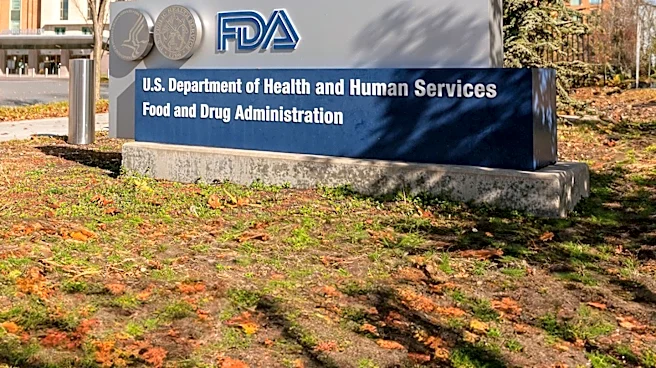
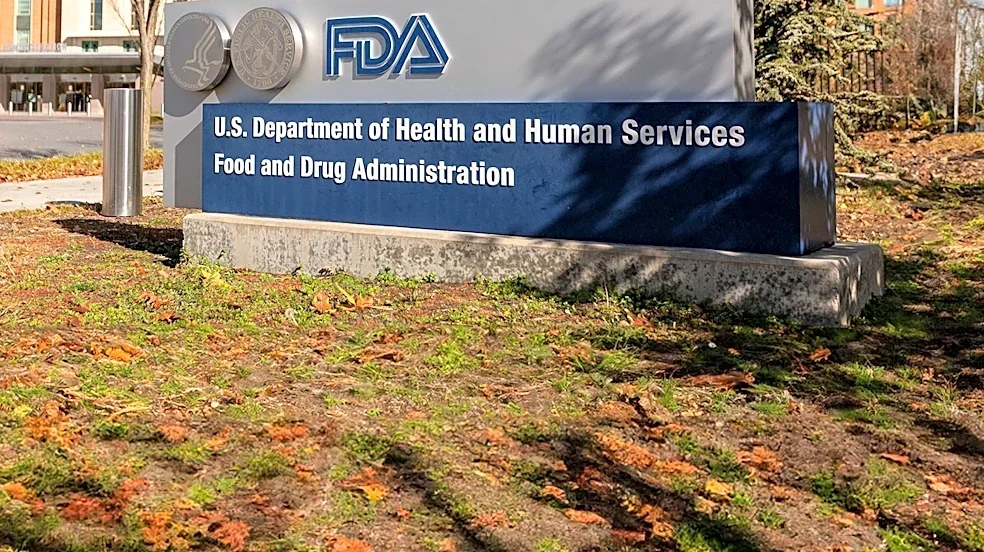
Bill Marler, a prominent food safety advocate and attorney, has submitted seven petitions to the FDA and USDA’s Food Safety and Inspection Service (FSIS), urging them to implement stricter food safety measures. These petitions address issues such as mandatory
testing for C. botulinum in powdered infant formula, warning labels for raw milk cheese and raw/lightly cooked sprouts, and classifying Salmonella as an adulterant in raw ground chicken, ground turkey, and chicken parts. Marler also seeks access and sampling authority at animal feeding operations implicated in outbreaks, the naming of firms involved in outbreaks, and the publication of retail consignee lists in Class I food recalls. He argues that these agencies should test for harmful pathogens, clearly communicate risks to the public, and enforce existing or promised regulations more effectively. Marler has spent over thirty years representing individuals sickened by contaminated food and is now actively working to improve food safety standards.
Why It's Important?
These petitions are critically important for public health and consumer protection in the United States. If adopted, they would significantly enhance the safety of the food supply by addressing known vulnerabilities in current regulations and enforcement. For instance, mandatory C. botulinum testing in infant formula could prevent severe illness in vulnerable populations, while warning labels on high-risk foods like raw milk cheese and sprouts would empower consumers to make informed choices. Classifying Salmonella as an adulterant in poultry would hold producers more accountable and could drastically reduce foodborne illnesses. The demand for transparency, such as naming implicated firms and publishing retail consignee lists, would allow consumers to avoid contaminated products and increase public trust in food safety agencies. These changes could lead to a substantial reduction in foodborne disease outbreaks and associated health costs.
What's Next?
Marler is currently soliciting comments on the draft petitions from various stakeholders, including industry, public health officials, consumer groups, academics, and legal professionals, with a deadline of October 30, 2026. After incorporating feedback, he will formally file the petitions with the FDA and USDA. Once filed, the agencies will be required to review and respond to the petitions, which could lead to new rule-making processes, policy changes, or further scientific evaluation. The outcome will depend on the agencies' assessment of the scientific evidence, public health impact, and feasibility of implementation, as well as potential industry resistance. The process could be lengthy, but the public and industry will be closely watching for the agencies' decisions and any subsequent actions to enhance food safety.
Beyond the Headlines
The petitions highlight a persistent gap between scientific understanding of foodborne risks and regulatory action. Marler's efforts underscore the role of legal advocacy in driving public health policy, particularly when regulatory bodies are perceived as slow to adapt or enforce existing guidelines. The call for greater transparency, such as naming implicated firms and publishing retail consignee lists, touches on the ethical responsibilities of government agencies to inform the public, even when it might impact commercial interests. This initiative could also spark broader discussions about the balance between industry burden and consumer safety, potentially leading to a reevaluation of how food safety regulations are developed and implemented in the U.S. The long-term implications could include a more proactive and transparent food safety system, fostering greater consumer confidence and reducing the incidence of preventable foodborne illnesses.