


What's Happening?
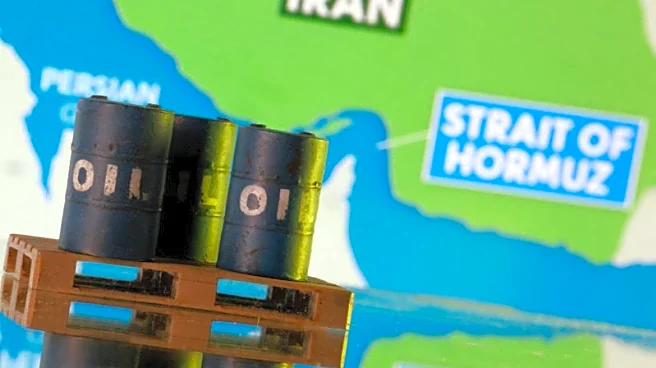
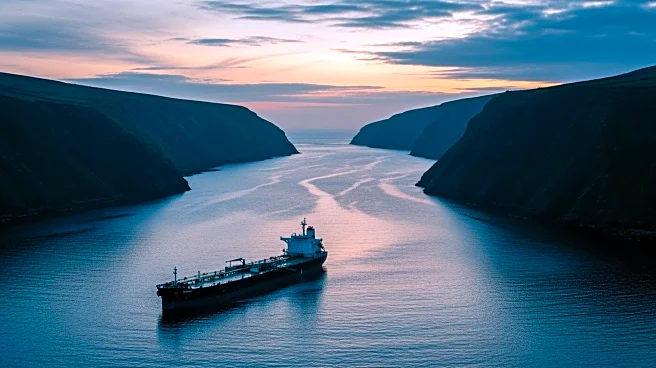
Iran has closed the Strait of Hormuz in response to U.S. and Israeli military actions, halting petroleum shipments through this critical Middle Eastern export route. The closure affects 20% of global oil flows, leading to a significant increase in oil prices.
As a result, the national average price for a gallon of gasoline in the U.S. has risen by approximately 18 cents in just a few days. The situation remains fluid, with uncertainty about how long the price surge will last.
Why It's Important?
The closure of the Strait of Hormuz has immediate implications for global oil markets and U.S. consumers. The increase in gas prices affects transportation costs, consumer spending, and overall economic activity. This development highlights the vulnerability of global supply chains to geopolitical tensions and the potential for significant economic disruptions. The situation underscores the importance of energy security and the need for diversified energy sources to mitigate such risks.
What's Next?
The U.S. government and international stakeholders will likely engage in diplomatic efforts to reopen the Strait of Hormuz and stabilize oil markets. In the meantime, consumers and businesses may need to adjust to higher fuel costs. The situation could also prompt discussions on energy policy and the strategic importance of reducing reliance on volatile regions for energy supplies.