

What's Happening?
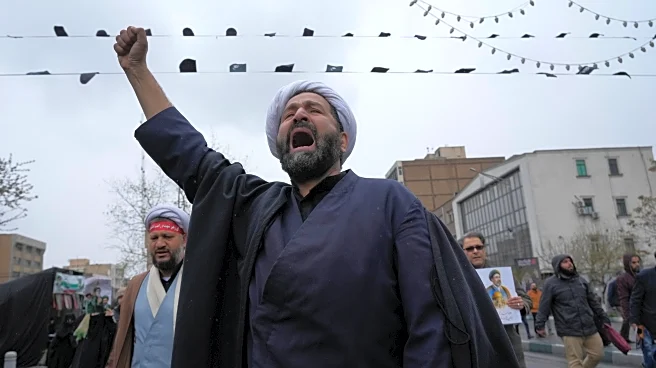
The ongoing conflict between the U.S., Israel, and Iran has seen significant developments, with reports indicating that the U.S. and Israel are closely coordinating their military efforts. According to Haaretz, despite initial reports of U.S. dissatisfaction
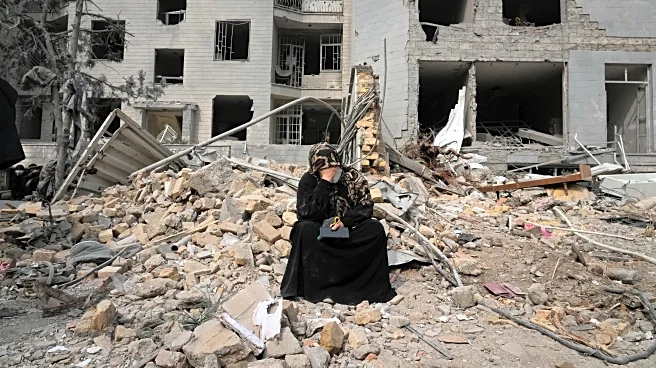
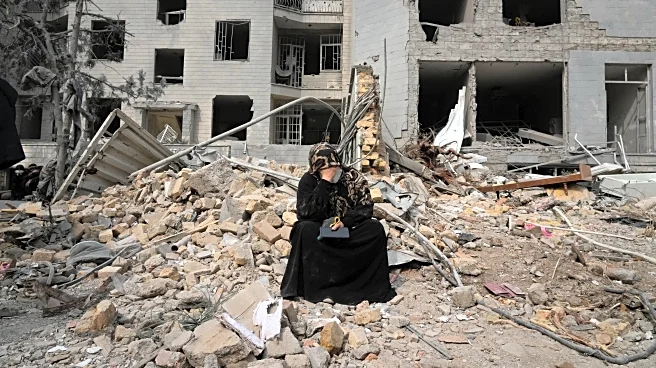
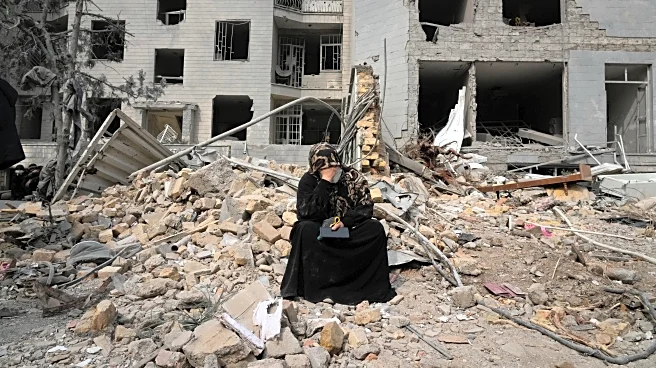
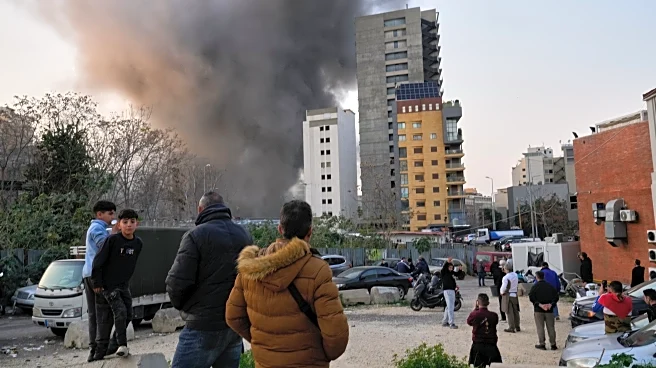
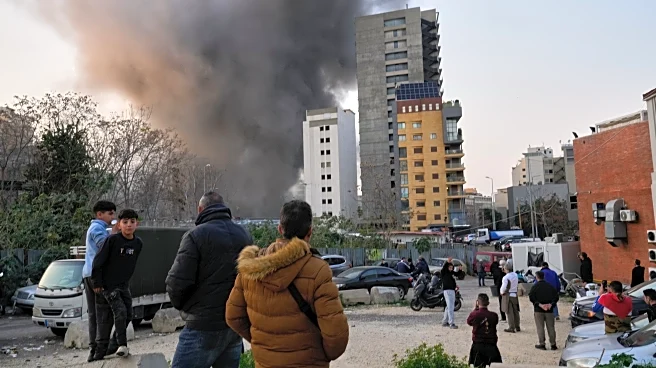
with Israel's targeting of Iran's oil fields, the two nations remain deeply aligned in their military strategies. The conflict has expanded with Hezbollah's involvement, prompting Israel to deploy large-scale airstrikes across Lebanon. The situation in Israel remains tense, with residents in Tel Aviv seeking shelter in underground facilities due to missile threats. The conflict has resulted in less damage and loss of life compared to previous engagements, but the threat remains significant.
Why It's Important?
The coordination between the U.S. and Israel in military operations against Iran highlights the strategic alliance between the two nations in addressing regional threats. The involvement of Hezbollah adds complexity to the conflict, potentially escalating tensions in the Middle East. The situation underscores the geopolitical stakes, with potential implications for global oil markets and regional stability. The conflict's impact on civilian populations, particularly in Israel and Lebanon, raises humanitarian concerns. The U.S.'s role in the conflict could influence its foreign policy and relations with other Middle Eastern countries, affecting diplomatic and economic ties.
What's Next?
As the conflict continues, further military actions by the U.S. and Israel are likely, with potential responses from Iran and its allies. The international community may seek diplomatic solutions to de-escalate tensions, but the path forward remains uncertain. The situation could lead to increased military engagements or negotiations, depending on the actions of key stakeholders. Monitoring the conflict's impact on global oil prices and regional stability will be crucial for understanding its broader implications.