







What's Happening?
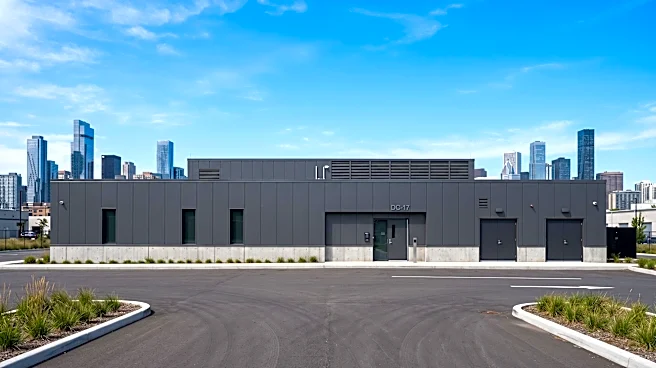
The Minneapolis City Council is poised to vote on new, comprehensive regulations for data centers on November 12, ahead of a six-month moratorium expiration on November 21. The proposed rules aim to restrict data centers to existing buildings located
only in downtown or the North Loop areas of the city. These facilities would be capped at a maximum size of 150,000 square feet, and any modifications to existing buildings would be minimal. To mitigate potential noise pollution, the regulations stipulate that computer equipment must be positioned at least 20 feet away from exterior building walls. While the city cannot legally limit energy or water consumption, the new rules will mandate that data center companies disclose their usage of these resources to the city. This move comes as the city seeks to manage the growth of data centers, with eight already present downtown and interest from Xcel Energy indicating potential for up to eight more projects.
Why It's Important?
These sweeping data center regulations are important for Minneapolis as they represent a proactive approach to managing the environmental and urban impact of rapidly expanding technology infrastructure. By confining data centers to specific commercial zones and existing buildings, the city aims to prevent sprawl and preserve residential areas. The size cap and noise pollution measures address quality-of-life concerns for residents. The requirement for energy and water disclosure is a significant step towards transparency and accountability, potentially influencing future sustainability policies and encouraging more efficient practices within the industry. This regulatory framework could serve as a precedent for other U.S. cities grappling with the environmental footprint and infrastructure demands of data centers. The debate within the city council, reflecting a split between those prioritizing economic development and those concerned about environmental and community impact, highlights a broader national challenge in balancing technological advancement with sustainable urban planning. The outcome will affect both tech companies looking to establish or expand operations in Minneapolis and the city's long-term environmental and economic landscape.
What's Next?
The Minneapolis City Council is scheduled to vote on the proposed data center regulations on November 12. If the council approves the plan as discussed, Mayor Frey's spokesperson has indicated his support. Should the new rules fail to pass, the current six-month moratorium on data center construction will expire on November 21, potentially allowing new data centers to establish themselves with minimal oversight. This scenario could lead to a less regulated expansion of data centers, which some council members fear would exacerbate issues like energy consumption and noise pollution without adequate city control. Conversely, the passage of these regulations will establish a clear framework for future data center development, guiding companies on permissible locations, sizes, and operational transparency requirements. The city will then need to implement and enforce these new rules, including the collection and analysis of energy and water usage data from existing and future facilities. The long-term impact will depend on how effectively these regulations are enforced and whether they achieve the desired balance between technological growth and urban sustainability.
Beyond the Headlines
The Minneapolis data center regulations touch upon a critical, often overlooked, aspect of the digital age: the physical footprint and resource demands of the internet's infrastructure. Data centers are massive consumers of electricity and water, raising significant environmental concerns, particularly in an era of climate change. The city's move to mandate disclosure of energy and water usage, even without direct caps, is a subtle but powerful regulatory tool. It shifts the burden of transparency onto the industry and provides the city with data to inform future policy decisions, potentially leading to more stringent environmental requirements down the line. The debate also highlights the tension between economic development, particularly in revitalizing downtown areas with high vacancy rates, and community concerns about environmental impact and quality of life. This situation reflects a broader societal challenge: how to integrate essential, yet resource-intensive, digital infrastructure into urban environments sustainably and equitably. The outcome in Minneapolis could influence how other cities approach the governance of digital infrastructure, pushing for greater accountability and environmental stewardship from the tech sector.